The New Nuclear Renaissance: Why Countries Are Returning to Nuclear Power
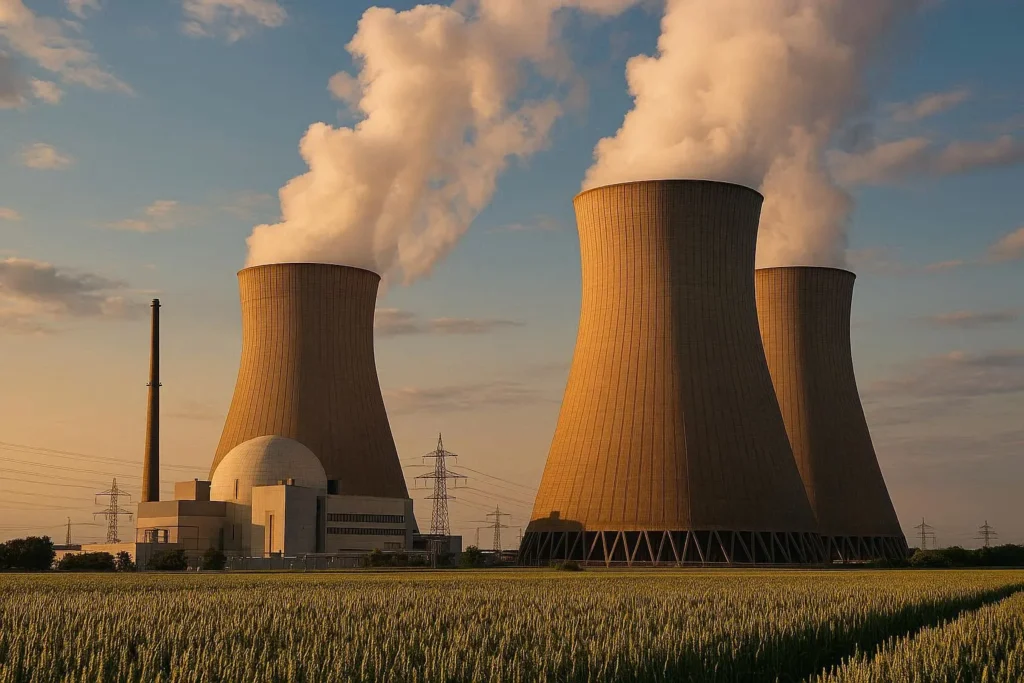
For decades, nuclear power appeared to be a declining industry. Following major accidents such as the Chernobyl disaster in 1986 and the Fukushima accident in 2011, many governments scaled back their nuclear ambitions. Some countries shut down reactors entirely, while others froze new construction projects. Analysts predicted that renewable energy sources would eventually replace nuclear power as the dominant source of carbon-free electricity.
Yet the global energy landscape has changed dramatically.
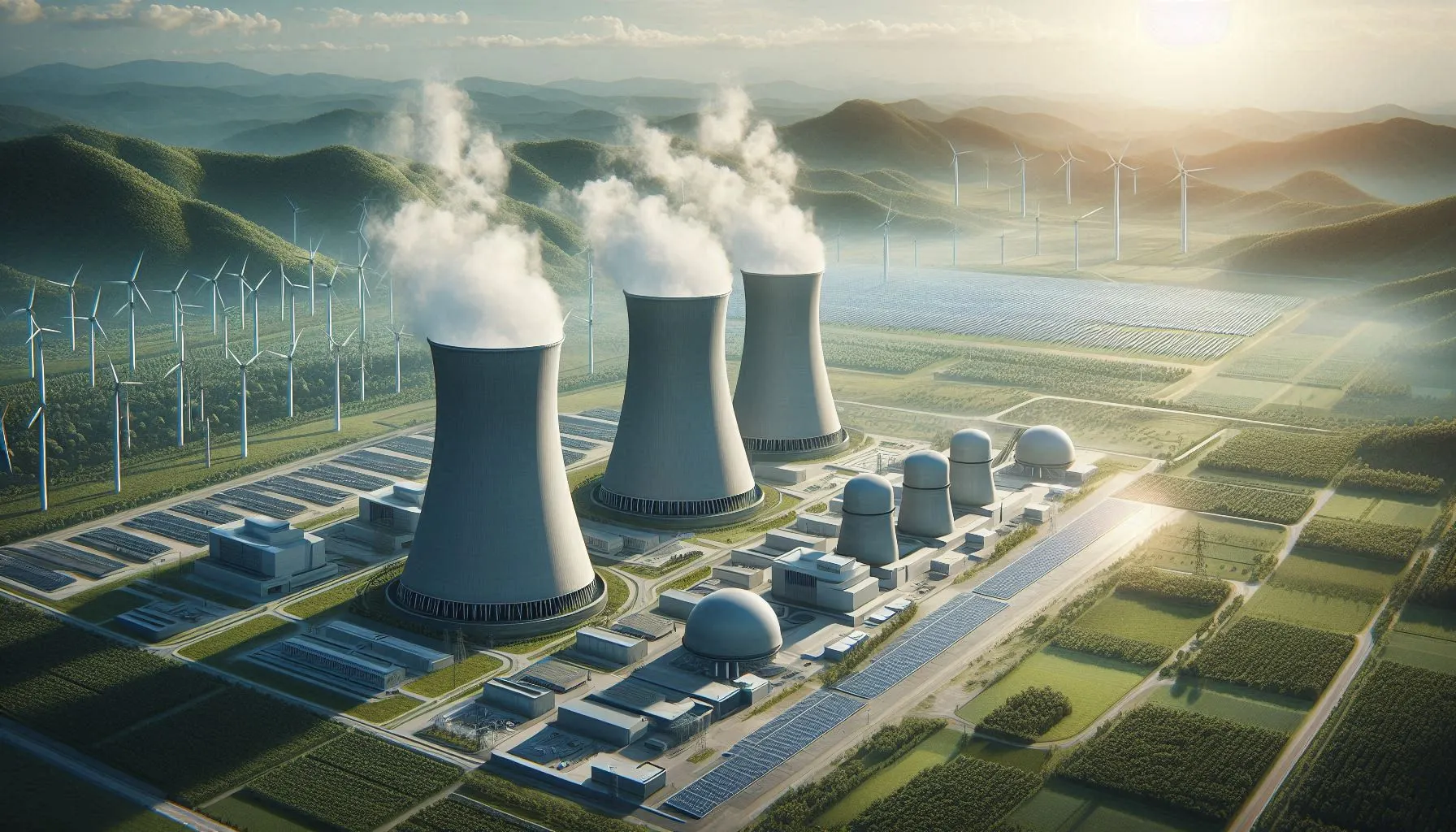
Today, a growing number of countries are investing billions of dollars into new nuclear projects. Governments that once planned to phase out nuclear energy are reconsidering their decisions. Nations across Europe, Asia, the Middle East, and North America are extending reactor lifespans, constructing advanced reactors, and placing nuclear power at the center of long-term energy strategies.
This shift is often described as the New Nuclear Renaissance—a global revival driven by energy security concerns, climate objectives, technological innovation, and the rapidly growing demand for electricity in an increasingly digital world.
The question is no longer whether nuclear power has a future. The question is how significant its role will become in shaping the global economy and geopolitical order of the twenty-first century.
Why Nuclear Power Is Returning
Several powerful trends have converged to create favorable conditions for nuclear energy.
1. Energy Security Has Become a National Priority
The energy crisis that followed geopolitical disruptions highlighted the risks of relying heavily on imported fossil fuels.
Many countries discovered that energy dependence can become a strategic vulnerability. Nations that import oil, coal, or natural gas remain exposed to supply disruptions, price shocks, and geopolitical pressure.
Nuclear power offers a different model.
A single reactor can operate for decades while requiring relatively small amounts of fuel. Uranium supplies can be sourced from multiple countries, reducing dependence on a single supplier.
As governments seek greater control over their energy futures, nuclear power is increasingly viewed as a strategic asset rather than merely an electricity source.
This trend aligns with broader themes explored in our analysis of Why India Could Become the World’s Third-Largest Economy Before 2030.
2. Climate Goals Require Reliable Clean Energy
Most developed economies have committed to achieving net-zero emissions by mid-century.
While solar and wind energy continue to expand rapidly, these technologies face a fundamental challenge: intermittency.
Solar panels do not generate electricity at night. Wind turbines depend on weather conditions.
Modern economies require continuous power generation.
Nuclear reactors provide large-scale electricity twenty-four hours a day while producing virtually no direct carbon emissions during operation.
As governments pursue aggressive climate targets, many policymakers have concluded that renewables alone may not be sufficient to guarantee grid stability.
As a result, nuclear energy is increasingly viewed as a necessary complement to renewable power rather than a competitor.
3. AI and Data Centers Are Driving Massive Electricity Demand
The artificial intelligence revolution is creating unprecedented energy requirements.
Advanced AI systems require enormous computing infrastructure. Data centers consume vast amounts of electricity and demand reliable power around the clock.
Major technology companies are now exploring partnerships with nuclear energy providers to secure long-term electricity supplies.
As discussed in our article AI and the Global Power Shift: How Artificial Intelligence Is Redefining World Leadership, the race for AI dominance is increasingly becoming a race for energy dominance.
Without abundant electricity, future AI growth could face significant constraints.
Nuclear power offers one of the few scalable solutions capable of meeting these rising demands.
The Countries Leading the Nuclear Revival
China
China is currently building more nuclear reactors than any other country.
Beijing views nuclear energy as a strategic tool for:
- Reducing coal dependence
- Enhancing energy security
- Supporting industrial growth
- Achieving climate objectives
China’s long-term plans envision one of the world’s largest nuclear fleets.
The country’s investments demonstrate how nuclear power is becoming a key component of national competitiveness.
United States
The United States remains the world’s largest producer of nuclear-generated electricity.
Recent policies have focused on:
- Extending existing reactor lifespans
- Supporting advanced reactor technologies
- Funding small modular reactor development
- Strengthening domestic nuclear fuel supply chains
Washington increasingly sees nuclear power as essential for both climate goals and economic competitiveness.
France
France already generates most of its electricity from nuclear energy.
After years of uncertainty, the French government has announced plans to build additional reactors and modernize existing facilities.
France’s experience illustrates how nuclear power can provide stable, low-carbon electricity while reducing reliance on imported fossil fuels.
India
India’s growing economy requires vast increases in electricity generation.
Nuclear energy is expected to play a major role in supporting:
- Industrial expansion
- Urbanization
- Manufacturing growth
- Rising living standards
As India seeks to become a major economic power, reliable energy infrastructure will be increasingly important.
United Kingdom
The United Kingdom has committed significant investments toward expanding nuclear capacity.
Projects such as Hinkley Point C and future reactor developments aim to strengthen energy security while supporting decarbonization efforts.
Britain views nuclear power as a critical component of its future energy mix.
Small Modular Reactors Could Change Everything
One of the most significant developments in nuclear technology is the emergence of Small Modular Reactors (SMRs).
Traditional nuclear plants often require:
- Massive capital investments
- Long construction timelines
- Complex infrastructure
SMRs aim to solve these challenges.
Advantages include:
- Lower upfront costs
- Faster deployment
- Enhanced safety systems
- Greater flexibility
- Scalability for remote locations
Many experts believe SMRs could become one of the most important energy technologies of the next several decades.
If successful, they could dramatically expand nuclear adoption worldwide.
The Geopolitics of Uranium
As nuclear power expands, uranium is becoming increasingly important.
Countries with significant uranium reserves may gain strategic influence.
Major uranium producers include:
- Kazakhstan
- Canada
- Australia
- Namibia
The competition for critical resources increasingly extends beyond oil and gas.
As explored in our article Who Controls Critical Minerals? The New Geopolitical Race for Resources, strategic commodities are becoming central to national power.
Uranium may soon join lithium, cobalt, and rare earth elements as a key geopolitical resource.
Challenges Facing Nuclear Energy
Despite growing momentum, significant challenges remain.
High Costs
Large nuclear projects often experience delays and budget overruns.
Financing remains a major obstacle.
Public Perception
Historical accidents continue to shape public opinion.
Many communities remain skeptical of nuclear expansion.
Waste Management
Long-term storage of radioactive waste remains politically sensitive.
Governments must develop durable solutions to maintain public confidence.
Regulatory Complexity
Nuclear projects face extensive regulatory oversight, often extending construction timelines.
Balancing safety and efficiency remains a major challenge.
Could Nuclear Power Become the Backbone of the Energy Transition?
The world is entering an era of rising electricity demand.
Artificial intelligence, electric vehicles, advanced manufacturing, and digital infrastructure are increasing pressure on power systems.
At the same time, governments are attempting to reduce emissions while maintaining economic growth.
These objectives require energy sources that are:
- Reliable
- Scalable
- Low-carbon
- Secure
Nuclear power is one of the few technologies capable of meeting all four criteria simultaneously.
While renewables will continue to expand rapidly, nuclear energy appears increasingly likely to become a crucial pillar of future energy systems.
The coming decades may witness not the decline of nuclear power, but its transformation into one of the most strategically important industries in the world.
Conclusion
The new nuclear renaissance reflects far more than an energy policy shift.
It represents a fundamental rethinking of how nations secure prosperity, technological leadership, and geopolitical influence.
Countries are recognizing that energy security and national security are increasingly intertwined.
As electricity demand surges and geopolitical competition intensifies, nuclear power is reemerging as a critical strategic asset.
The nations that successfully integrate advanced nuclear technologies into their economic and industrial systems may gain a significant advantage in the global competition for growth, innovation, and influence during the twenty-first century.
References
World Nuclear Association: https://world-nuclear.org/
International Atomic Energy Agency (IAEA): https://www.iaea.org/
International Energy Agency (IEA): https://www.iea.org/
U.S. Department of Energy – Nuclear Energy: https://www.energy.gov/ne
OECD Nuclear Energy Agency: https://www.oecd-nea.org/