The Global Race for Critical Minerals: Lithium, Cobalt, Nickel, and the Future of Industry
Introduction
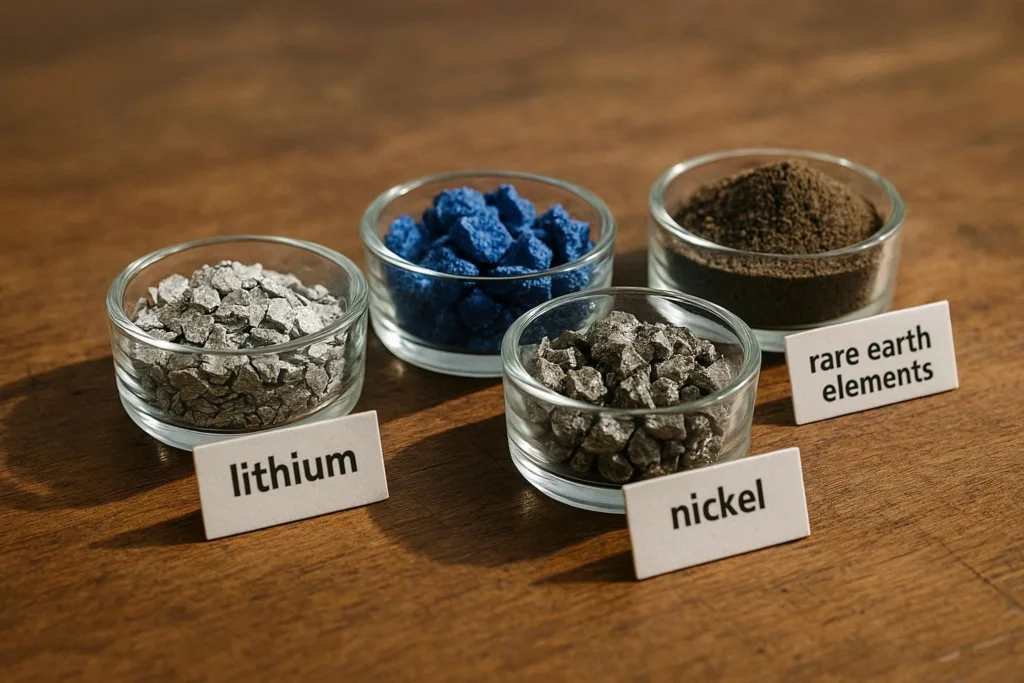
In the 21st century, control over energy resources is no longer limited to oil and natural gas. A new strategic competition is emerging around critical minerals—especially lithium, cobalt, nickel, rare earth elements, and copper. These minerals have become the foundation of modern technologies, powering everything from electric vehicles and renewable energy systems to smartphones, artificial intelligence infrastructure, and advanced military equipment.
As nations accelerate their transition toward cleaner energy and digital economies, securing reliable access to these resources has become a matter of economic competitiveness, industrial policy, and national security. The global race for critical minerals is reshaping geopolitics, creating new alliances, triggering investment booms, and intensifying competition among major powers.
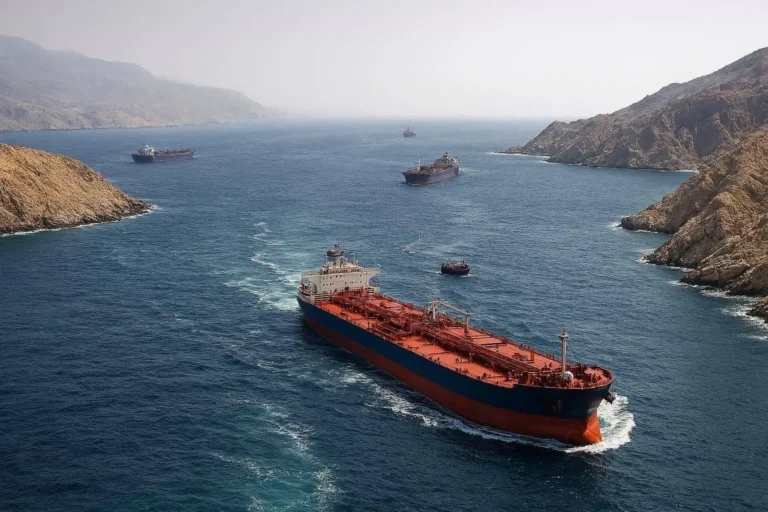
While critical minerals are becoming increasingly important to the global economy, traditional energy routes remain strategically vital. The continued importance of oil and gas transportation through key maritime chokepoints highlights the interconnected nature of global resource security. Readers interested in this topic can explore our analysis, The Strategic Importance of the Strait of Hormuz, which examines one of the world’s most critical energy corridors.
This race may ultimately determine which countries lead the industries of the future.
What Are Critical Minerals?
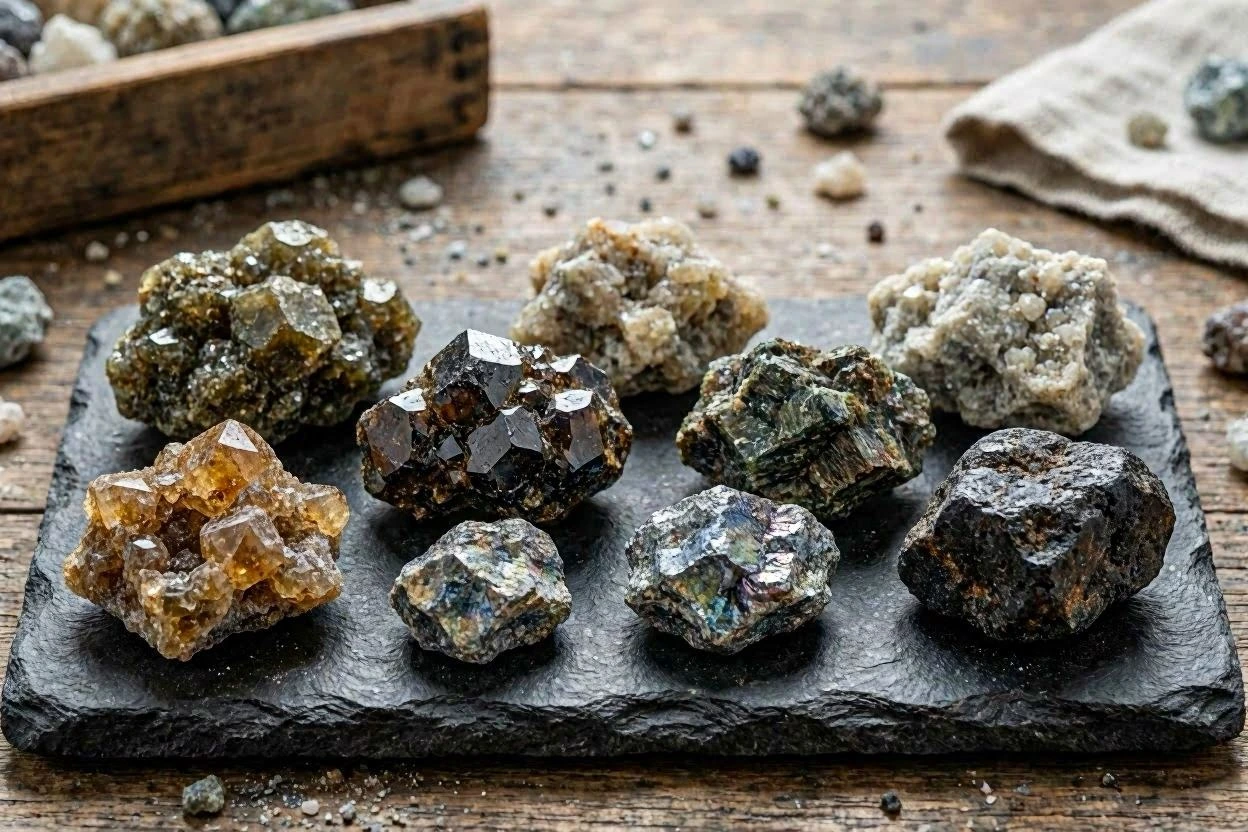
Critical minerals are natural resources considered essential for economic growth, technological development, and national security. Their importance stems from two factors:
- They are vital for modern industries.
- Supply chains are often concentrated in a small number of countries.
Among the most important critical minerals are:
Lithium
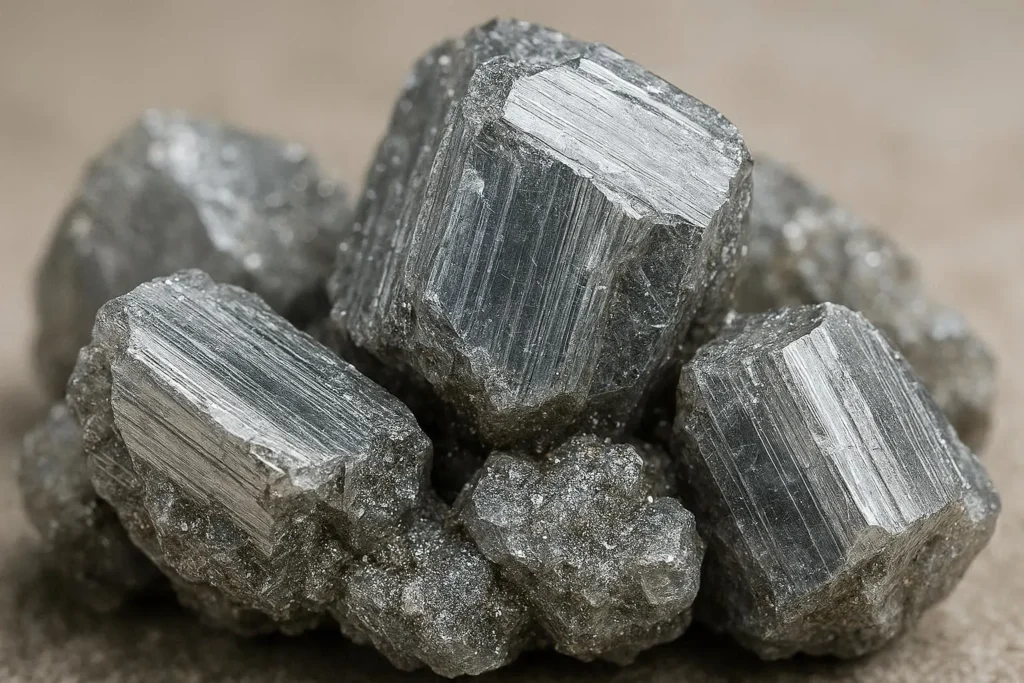
Known as the “white gold” of the energy transition, lithium is a key component in rechargeable batteries used in electric vehicles (EVs), smartphones, laptops, and energy storage systems.
Cobalt
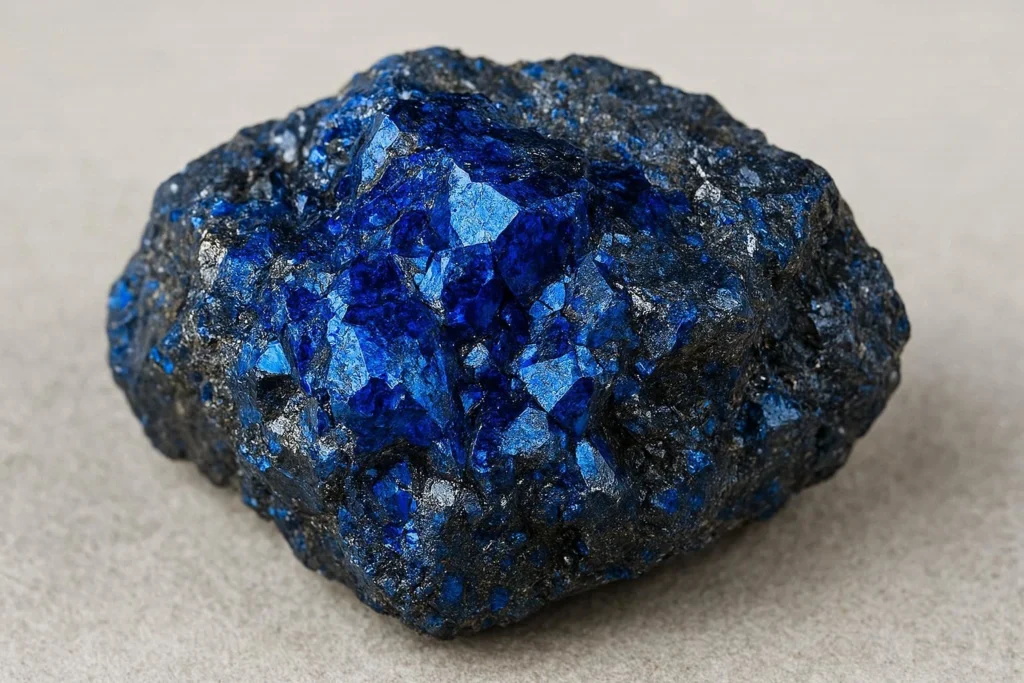
Cobalt improves battery performance and longevity. It is particularly important in high-energy-density batteries used in EVs.
Nickel
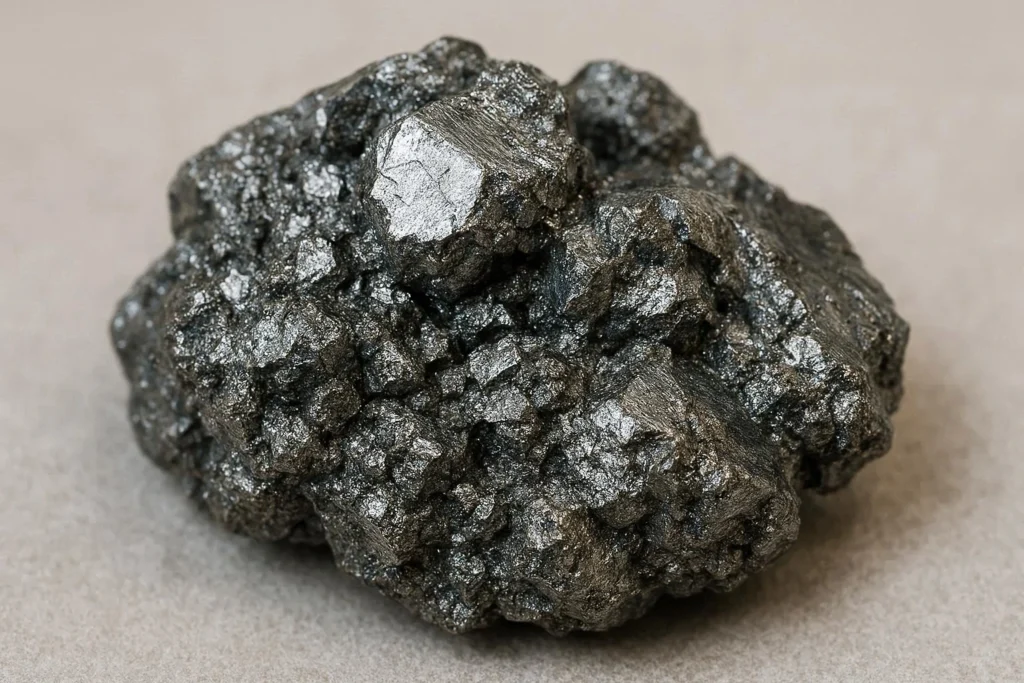
Nickel increases battery capacity and efficiency, making it critical for long-range electric vehicles.
Rare Earth Elements
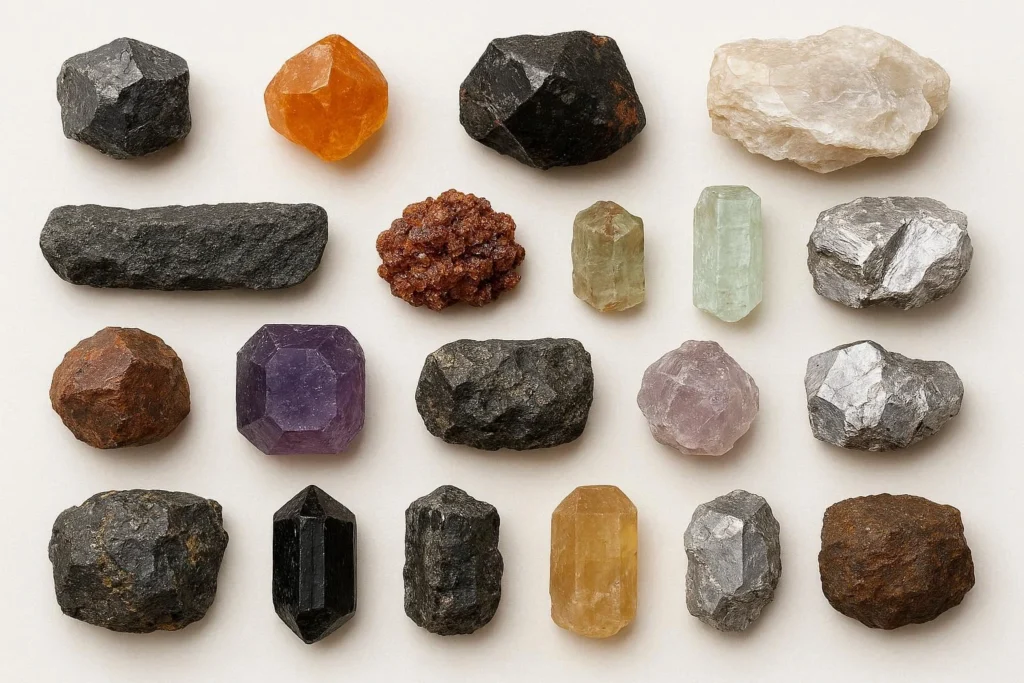
A group of 17 minerals used in wind turbines, electric motors, advanced electronics, defense systems, and semiconductor manufacturing.
Copper
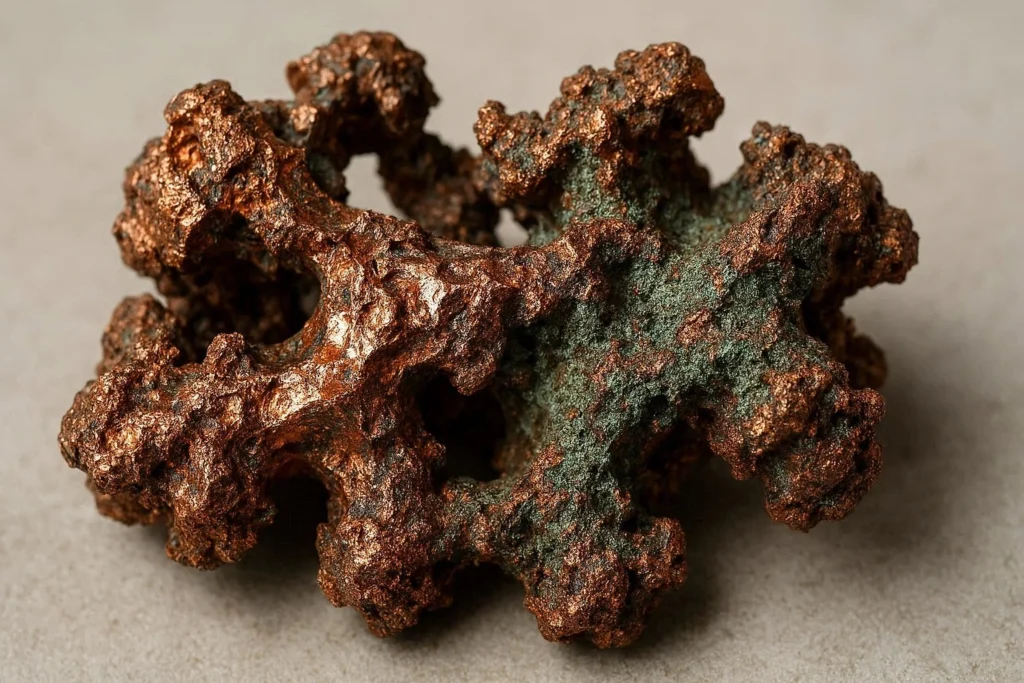
Often overlooked, copper is essential for electrical transmission, renewable energy infrastructure, and electrification projects worldwide.
Why Critical Minerals Matter More Than Ever
The world is experiencing three simultaneous transformations:
1. The Electric Vehicle Revolution
Governments worldwide are encouraging the adoption of electric vehicles to reduce carbon emissions.
According to the International Energy Agency (IEA), global EV sales have increased dramatically over the past decade, creating unprecedented demand for battery materials.
A single electric vehicle requires significantly more mineral inputs than a conventional gasoline-powered vehicle.
2. Renewable Energy Expansion
Solar panels, wind turbines, and large-scale battery storage systems rely heavily on critical minerals.
As countries pursue net-zero emissions goals, demand for these resources is expected to surge for decades.
3. Digital and AI Infrastructure
Data centers, semiconductor manufacturing, telecommunications equipment, and AI systems all depend on advanced materials and critical mineral supply chains. The future of artificial intelligence is not only about software—it is also about access to the physical resources needed to build computing infrastructure.
Modern semiconductor production requires significant quantities of critical minerals and rare earth elements for chip fabrication, manufacturing equipment, and advanced electronics. As explored in our article, Future of the Semiconductor Industry: Trends, Challenges, and Opportunities Shaping the Next Decade, the global semiconductor sector is becoming increasingly strategic, with governments and corporations investing billions to secure supply chains and technological leadership. The growing demand for chips will further increase competition for critical mineral resources worldwide.
The Countries Dominating the Critical Minerals Race
China: The Processing Superpower
China has emerged as the dominant force in critical mineral processing.
While many minerals are mined elsewhere, China controls a large share of global refining and manufacturing capacity.
Chinese companies have invested heavily in:
- Africa’s cobalt sector
- South America’s lithium projects
- Indonesia’s nickel industry
- Rare earth processing facilities
This gives Beijing significant influence over global supply chains.
Australia: The Lithium Giant
Australia is among the world’s largest lithium producers and has become a key supplier for battery manufacturers worldwide.
The country’s mining sector is attracting billions of dollars in investment as demand continues to grow.
Democratic Republic of Congo (DRC)
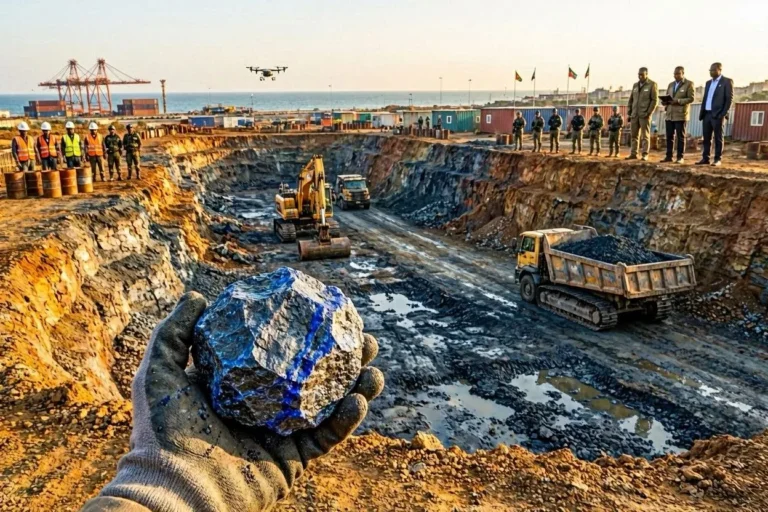
The DRC possesses some of the world’s richest cobalt reserves.
More than half of global cobalt production originates from the country, making it indispensable to battery supply chains.
However, concerns regarding labor practices, governance challenges, and supply reliability remain significant issues.
Indonesia
Indonesia has transformed itself into a major nickel powerhouse.
By restricting exports of raw nickel ore and encouraging domestic processing, the country has moved up the value chain and attracted major foreign investment.
United States
The United States is increasingly treating critical minerals as a national security priority.
Washington has introduced policies aimed at:
- Expanding domestic mining
- Supporting processing facilities
- Diversifying supply chains
- Reducing dependence on foreign suppliers
Critical Minerals and the New Geopolitical Competition
Competition for lithium, cobalt, nickel, and rare earth elements has become a major component of the broader technological rivalry between Washington and Beijing. As explored in US–China Tech Competition: The Global Race for Technological Dominance, access to strategic resources is increasingly viewed as essential for maintaining leadership in semiconductors, artificial intelligence, advanced manufacturing, and national security technologies.
Several factors are driving this shift:
Resource Nationalism
Many resource-rich nations are seeking greater control over their mineral wealth.
Governments are introducing:
- Export restrictions
- Local processing requirements
- Strategic investment reviews
- Resource ownership regulations
Supply Chain Security
The COVID-19 pandemic exposed vulnerabilities in global supply chains.
Governments now view mineral security as essential to economic resilience and technological independence.
Strategic Alliances
Countries are forming partnerships to secure reliable supplies.
Examples include:
- US-Australia critical mineral cooperation
- European Union supply diversification initiatives
- Japan’s overseas resource investments
- India’s efforts to secure strategic mineral access
Environmental Challenges
While critical minerals support clean energy technologies, their extraction is not without environmental costs.
Major concerns include:
Water Usage
Lithium extraction can consume large amounts of water, particularly in arid regions of South America.
Land Degradation
Mining operations can affect ecosystems, biodiversity, and local communities.
Carbon Footprint
Processing and transportation of minerals generate emissions that must be managed carefully.
Waste Management
Mining activities produce substantial waste materials requiring responsible handling.
Balancing sustainability goals with growing mineral demand remains one of the industry’s greatest challenges.
The Future of Battery Technology
The critical minerals landscape could change significantly as technology evolves.
Researchers are exploring:
- Sodium-ion batteries
- Solid-state batteries
- Cobalt-free battery chemistries
- Advanced recycling technologies
While these innovations may reduce dependence on certain materials, experts expect demand for lithium, nickel, copper, and other strategic minerals to remain strong for decades.
Can Recycling Solve the Supply Problem?
Battery recycling is emerging as a critical part of future supply chains.
Benefits include:
- Reduced mining requirements
- Lower environmental impact
- Enhanced supply security
- Recovery of valuable materials
Companies and governments are investing heavily in recycling infrastructure to create a more circular economy.
However, recycling alone is unlikely to meet future demand as EV adoption continues to accelerate globally.
The Economic Opportunity of the Century
The critical minerals boom represents one of the largest industrial opportunities of the modern era.
Countries that successfully develop:
- Mining capacity
- Processing infrastructure
- Advanced manufacturing
- Battery production ecosystems
could become major winners in the global economy.
The race is no longer simply about extracting resources—it is about controlling entire industrial value chains.
Conclusion
The global competition for lithium, cobalt, nickel, copper, and rare earth elements is rapidly becoming one of the defining geopolitical and economic stories of the 21st century.
As nations transition toward cleaner energy systems, electrified transportation, artificial intelligence, and advanced manufacturing, demand for critical minerals will continue to rise.
The countries that secure reliable access, build resilient supply chains, and invest in next-generation technologies will hold significant advantages in the industries of the future.
Just as oil shaped global power during the last century, critical minerals may shape the balance of economic and geopolitical influence for decades to come.
The race has already begun—and its outcome will help determine the future of industry itself.
References
- International Energy Agency (IEA) – https://www.iea.org
- United States Geological Survey (USGS) – https://www.usgs.gov
- International Renewable Energy Agency (IRENA) – https://www.irena.org
- World Bank Critical Minerals Report – https://www.worldbank.org
- International Energy Forum – https://www.ief.org