
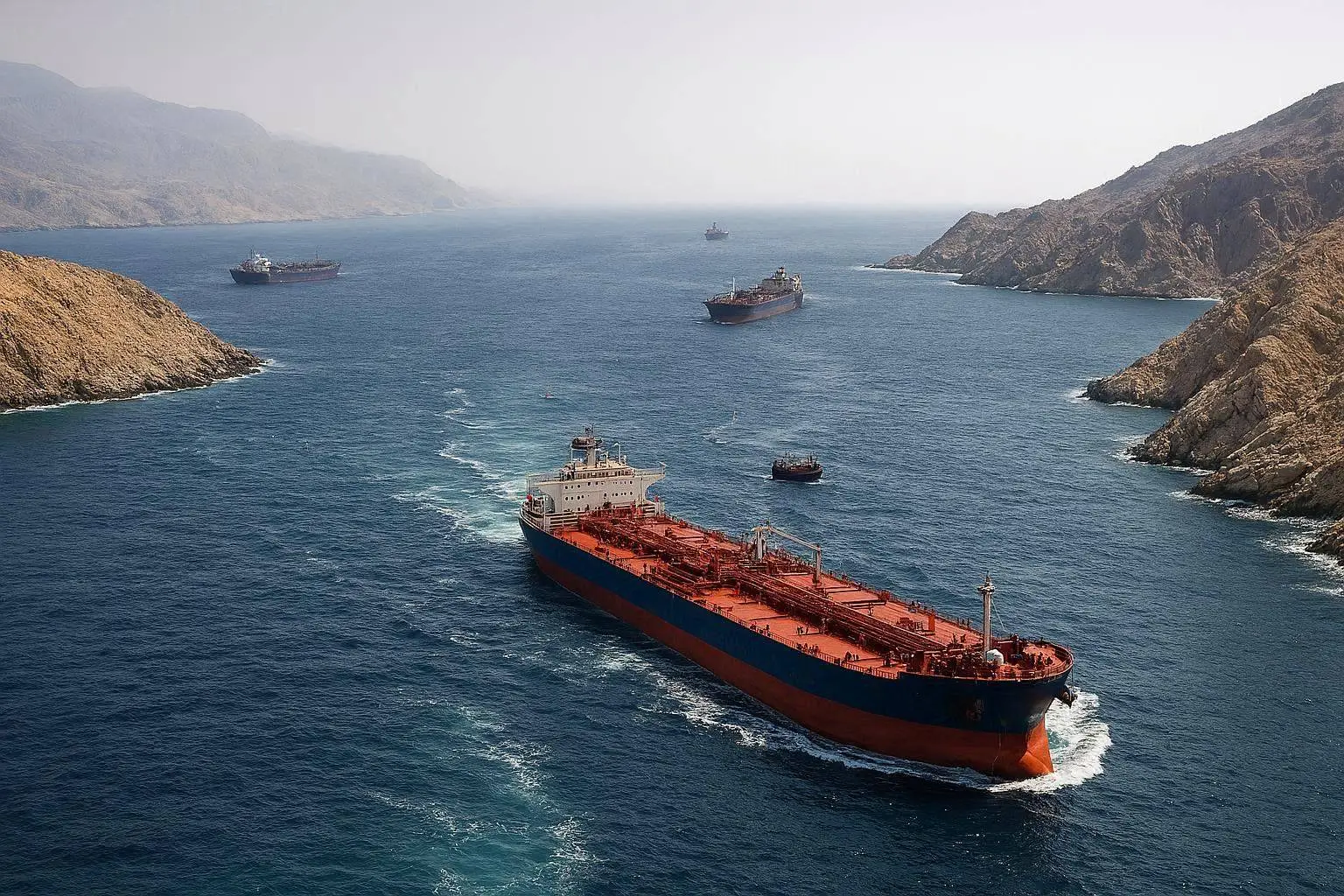
The Strategic Importance of the Strait of Hormuz: The World’s Most Critical Energy Chokepoint
Introduction
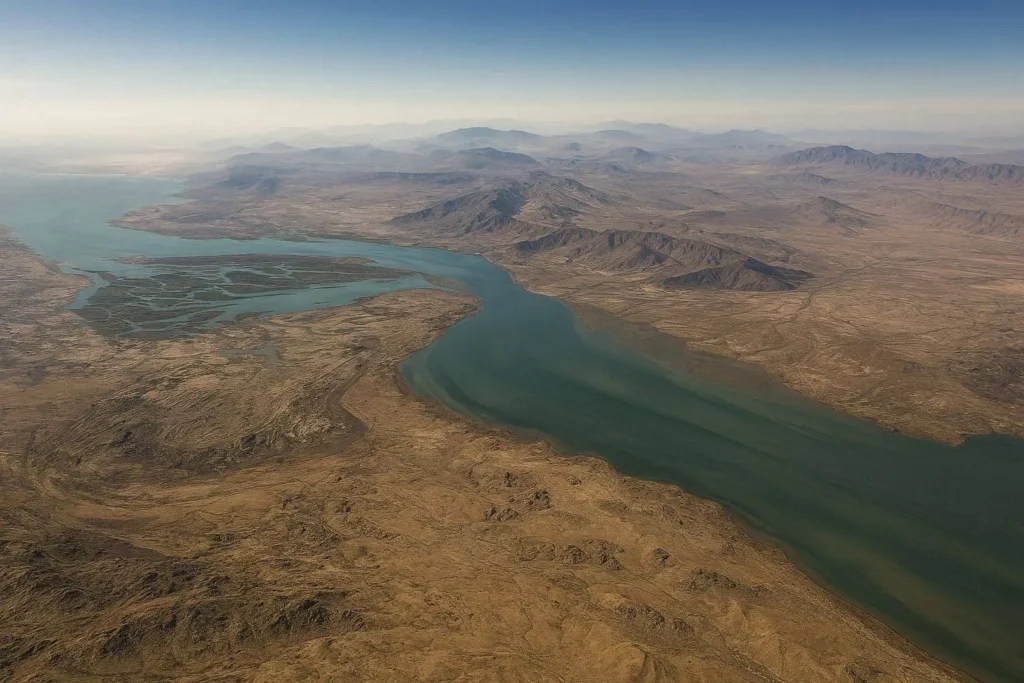
In an era where global power is increasingly shaped by supply chains, energy security, and strategic geography, few locations hold as much influence as the Strait of Hormuz. This narrow waterway between Iran and Oman serves as the gateway between the Persian Gulf and the Arabian Sea, acting as a vital artery for the global economy.
Although only about 54 kilometers (34 miles) wide at its narrowest point, the Strait of Hormuz carries roughly one-fifth of the world’s oil consumption and around one-quarter of global seaborne oil trade. Every day, millions of barrels of crude oil and petroleum products pass through this maritime corridor, making it one of the most strategically important chokepoints on Earth.
Any disruption to this route can send shockwaves through energy markets, increase inflation worldwide, and trigger geopolitical crises involving major powers.
Where Is the Strait of Hormuz?
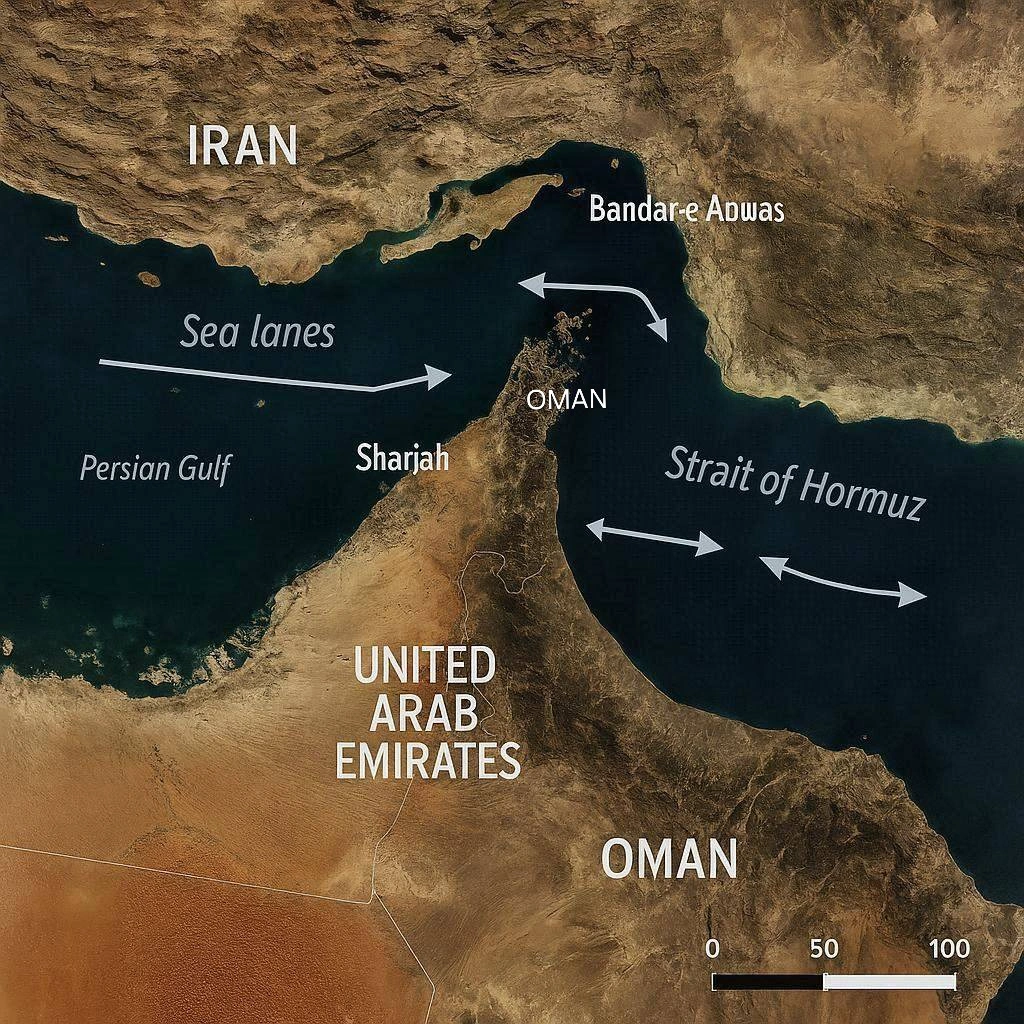
The Strait of Hormuz connects the Persian Gulf to the Gulf of Oman and ultimately the Indian Ocean. To the north lies Iran, while Oman and the United Arab Emirates occupy the southern coastline.
Its location makes it the only maritime outlet for many of the Gulf’s major energy producers, including:
- Saudi Arabia
- Iraq
- Kuwait
- Qatar
- Bahrain
- United Arab Emirates
- Iran
Because of this unique geography, the strait functions as a strategic bottleneck that cannot easily be replaced by alternative shipping routes.
Why the Strait of Hormuz Matters to the Global Economy
1. Energy Security
The world’s industrial economies remain heavily dependent on oil and natural gas.
Approximately 20 million barrels of oil move through the Strait of Hormuz every day, representing about 20% of global petroleum consumption. A significant portion of the world’s liquefied natural gas (LNG), particularly exports from Qatar, also travels through the strait.
Countries in Asia are especially dependent on these shipments.
Major importers include:
- China
- India
- Japan
- South Korea
A disruption would immediately affect fuel prices, transportation costs, manufacturing expenses, and economic growth worldwide.
2. Global Oil Prices Depend on Hormuz
Oil markets react not only to actual supply disruptions but also to the perception of risk.
Whenever tensions rise in the Persian Gulf, traders begin pricing in the possibility of reduced oil exports. Even without a complete closure, military incidents, tanker seizures, drone attacks, or threats from regional actors can push prices significantly higher.
History repeatedly demonstrates that uncertainty surrounding the Strait of Hormuz can trigger sharp market volatility and energy price spikes.
3. The Chokepoint Advantage
Strategists often refer to Hormuz as a “chokepoint.”
A chokepoint is a narrow route through which large volumes of trade must pass.
Throughout history, nations have competed to control strategic chokepoints because they provide leverage over international commerce.
Examples include:
- The Suez Canal
- The Panama Canal
- The Strait of Malacca
- The Bab el-Mandeb Strait
Among them, the Strait of Hormuz remains arguably the most important because of its direct connection to global energy markets.
Iran’s Strategic Leverage
No discussion of Hormuz is complete without understanding Iran’s role.
Iran occupies the northern side of the strait and has long viewed the waterway as a strategic asset. During periods of heightened tensions with Western powers, Iranian leaders have occasionally threatened to restrict or close maritime traffic.
While a complete blockade would be difficult to sustain due to international military responses, Iran possesses several capabilities that could disrupt shipping:
- Naval mines
- Fast attack boats
- Anti-ship missiles
- Drones
- Coastal defense systems
Even limited disruptions could dramatically affect global energy markets because shipping companies, insurers, and traders respond quickly to increased risk.
This strategic reality gives Iran influence that extends far beyond its economic size.
Why Major Powers Care About Hormuz
United States
For decades, the United States has maintained a significant naval presence in the Gulf region.
One of its primary objectives has been ensuring freedom of navigation and protecting energy flows through the Strait of Hormuz. Any threat to maritime commerce is viewed as a challenge to global economic stability.
China
China is now the world’s largest importer of crude oil.
A substantial share of its imported energy originates from the Gulf, making Hormuz a critical strategic concern for Beijing.
This dependence has encouraged China to invest in:
- Energy diversification
- Strategic petroleum reserves
- Maritime infrastructure
- Alternative trade corridors
India
India’s rapidly growing economy relies heavily on imported energy.
Any disruption in Hormuz would directly affect inflation, industrial production, and economic growth, making the strait a major concern for Indian policymakers.
Beyond Oil: The Hidden Importance of Hormuz
Most analyses focus on crude oil, but the Strait of Hormuz affects far more than energy.
The waterway is also essential for:
- LNG exports
- Fertilizer supply chains
- Food imports to Gulf states
- Industrial raw materials
- Consumer goods shipments
Modern supply chains operate on efficiency rather than redundancy. When disruptions occur at critical chokepoints, effects cascade throughout the global economy. Rising shipping insurance costs, longer transit times, and supply shortages can impact everything from food prices to manufacturing output.
Can the Strait Be Replaced?
Several Gulf countries have developed alternative export routes to reduce dependence on Hormuz.
Examples include:
- Saudi Arabia’s East-West Pipeline
- UAE’s Abu Dhabi Crude Oil Pipeline
However, these alternatives cannot fully replace the enormous volumes that normally transit through the strait. Most Gulf exporters still rely heavily on Hormuz to access global markets.
As a result, the world remains vulnerable to disruptions in this narrow waterway.
Future Geopolitical Risks
Several trends suggest that the strategic importance of Hormuz will continue into the coming decades:
Rising Competition Between Great Powers
The growing rivalry between the United States and China increases the strategic value of energy routes and maritime security.
Middle East Instability
Regional conflicts involving Iran, Gulf states, or non-state actors could threaten shipping and energy infrastructure.
Energy Transition
Even as renewable energy expands, oil and natural gas remain critical to the global economy. The transition away from fossil fuels is likely to take decades.
Maritime Security Challenges
Cyberattacks, drones, autonomous weapons, and hybrid warfare are creating new threats to international shipping.
Conclusion
The Strait of Hormuz demonstrates how geography continues to shape global power in the 21st century. Despite technological advances and the rise of digital economies, a narrow stretch of water between Iran and Oman remains indispensable to global trade and energy security.
Its importance extends beyond oil. It influences inflation, economic growth, military strategy, international diplomacy, and the balance of power between nations.
As long as the world depends on Gulf energy exports, the Strait of Hormuz will remain one of the most strategically significant locations on Earth—a reminder that geography remains one of the most powerful forces in geopolitics.
References
- International Energy Agency (IEA) – Strait of Hormuz Factsheet https://www.iea.org/about/oil-security-and-emergency-response/strait-of-hormuz
- U.S. Energy Information Administration (EIA) https://www.eia.gov/todayinenergy/detail.php?id=65504
- Reuters Energy Market Analysis (2026)
- Visual Capitalist – Global Oil Chokepoints Analysis
- Maritime Energy Security Research Papers and Trade Data



One Comment