US–China Tech Competition: The Global Race for Technological Dominance
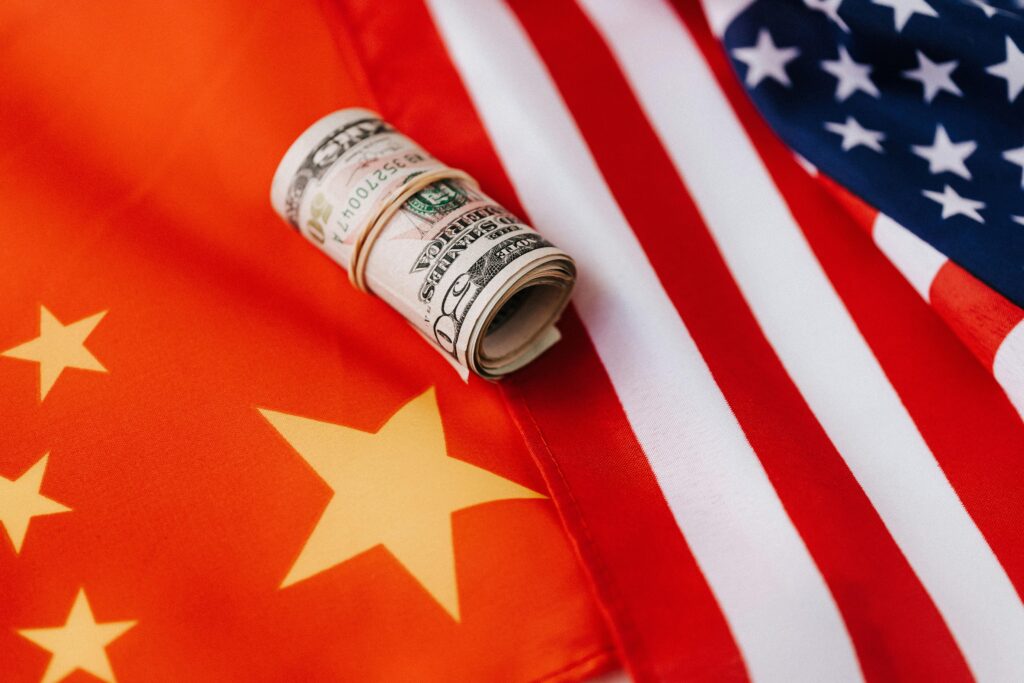
The 21st century is increasingly defined by a technological rivalry between the United States and China. What began as an economic competition has evolved into a strategic contest over artificial intelligence (AI), semiconductors, quantum computing, 5G networks, cybersecurity, and advanced manufacturing.
Many analysts describe this rivalry as the most significant geopolitical challenge of the modern era. Unlike traditional military confrontations, today’s competition is centered on innovation, research, talent, data, and technological infrastructure. The nation that leads these critical technologies will likely shape global economic growth, security frameworks, and international influence for decades to come.
Why the US–China Tech Competition Matters
Technology has become the foundation of modern power. Countries that dominate advanced technologies gain advantages in economic productivity, military capability, healthcare innovation, communications, and digital infrastructure.
The United States remains the world’s leading innovation hub, home to technology giants such as Google, Microsoft, Apple, NVIDIA, OpenAI, and Amazon. China, meanwhile, has rapidly expanded its technological capabilities through massive investments, state-supported research initiatives, and a growing domestic innovation ecosystem.
The competition is not merely about commercial success. It is about determining who will establish the standards, platforms, and technologies that power the global economy of the future.
The Semiconductor Battle: The Heart of Modern Technology
At the center of the US–China technology rivalry lies the semiconductor industry.
Semiconductors are the essential components powering smartphones, computers, artificial intelligence systems, electric vehicles, cloud computing infrastructure, and military equipment. Without advanced chips, modern digital economies cannot function.
The United States maintains a strong advantage in semiconductor design and advanced AI chips through companies such as NVIDIA, AMD, Intel, and Qualcomm. However, much of the world’s chip manufacturing is concentrated in Asia, creating strategic vulnerabilities.
China has invested hundreds of billions of dollars into domestic semiconductor development to reduce reliance on foreign suppliers. In response, the United States has implemented export controls aimed at limiting China’s access to advanced semiconductor technologies and manufacturing equipment.
As a result, both nations are accelerating efforts to achieve greater technological self-sufficiency, transforming semiconductors into one of the most critical battlegrounds of global competition.
Artificial Intelligence: The New Strategic Frontier
Artificial intelligence has emerged as the defining technology of the next decade.
AI systems are transforming industries ranging from healthcare and finance to transportation, education, defense, and scientific research. Advanced AI models require massive computing power, sophisticated algorithms, and access to high-quality data.
The United States currently leads in frontier AI research and commercial AI development. American firms have pioneered large language models, generative AI applications, and cloud-based AI infrastructure.
China, however, has made AI a national strategic priority. Through extensive investment programs and a vast domestic market, Chinese companies are rapidly expanding AI adoption across manufacturing, logistics, smart cities, healthcare, and consumer services.
The AI race is increasingly viewed as a competition for future economic leadership. Nations capable of developing and deploying advanced AI systems may enjoy significant advantages in productivity, innovation, and national security.
Cybersecurity and Digital Sovereignty
Cybersecurity has become another major area of competition.
As governments, businesses, and individuals become more dependent on digital systems, securing networks and protecting sensitive information has become a national priority. Cyber attacks can disrupt infrastructure, compromise intelligence operations, and undermine economic stability.
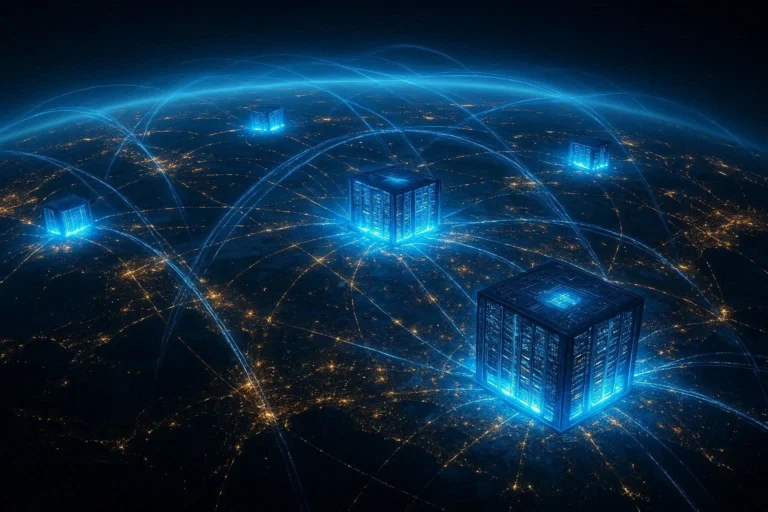
The United States and China have invested heavily in cybersecurity capabilities while also promoting different approaches to internet governance and digital sovereignty.
This divergence has contributed to the emergence of competing digital ecosystems, influencing how countries around the world regulate technology, data privacy, and online communications.
The Rise of Quantum Computing
Quantum computing represents one of the most transformative technologies under development today.
Unlike traditional computers, quantum systems can solve certain complex problems exponentially faster. Potential applications include drug discovery, materials science, logistics optimization, financial modeling, and cryptography.
Both the United States and China have committed substantial resources to quantum research. Experts believe breakthroughs in quantum computing could significantly alter economic competitiveness and national security capabilities.
While commercial applications remain in development, quantum technology is widely considered one of the next major frontiers in the global technology race.
Global Supply Chains Are Being Reshaped
The US–China technology competition is fundamentally altering global supply chains.
Companies are increasingly diversifying manufacturing operations, reducing reliance on single-country production models, and investing in regional supply networks. Governments are introducing industrial policies designed to encourage domestic manufacturing and protect critical industries.
This shift has accelerated trends such as:
- Supply chain diversification
- Strategic manufacturing investments
- Economic security initiatives
- Technology export controls
- Digital infrastructure development
As nations adapt to this changing landscape, the global economy is becoming more fragmented yet more resilient in certain strategic sectors.
Impact on the Global Economy
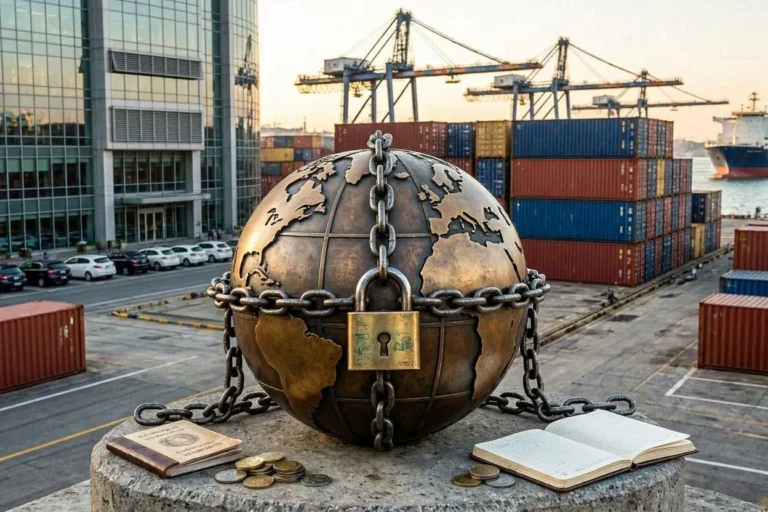
The consequences of the US–China technology rivalry extend far beyond the two countries involved.
The competition influences:
- Artificial intelligence innovation
- Semiconductor supply chains
- Global trade flows
- Venture capital investments
- Scientific research collaborations
- Digital infrastructure development
- International technology standards
Countries across Europe, Asia, the Middle East, Africa, and Latin America increasingly find themselves navigating between competing technology ecosystems while pursuing their own innovation strategies.
Challenges Ahead
Despite rapid technological progress, significant challenges remain.
These include:
- Talent shortages in advanced technology fields
- Regulatory uncertainty surrounding AI
- Cybersecurity threats
- Supply chain vulnerabilities
- Intellectual property disputes
- Geopolitical tensions
Balancing innovation, security, and international cooperation will be one of the defining policy challenges of the coming decades.
The Future of the US–China Technology Race
The future of global technology will likely be shaped by competition rather than complete technological separation.
While the United States maintains leadership in many advanced sectors, China’s rapid innovation and industrial expansion continue to narrow the gap. The outcome may not produce a single winner but rather a world characterized by multiple centers of technological excellence.
As artificial intelligence, semiconductors, quantum computing, and next-generation communications continue to evolve, the US–China technology competition will remain one of the most influential forces shaping the future global economy.
Conclusion
The US–China tech competition is more than a geopolitical rivalry—it is a contest over the technologies that will define the 21st century. From AI and semiconductors to cybersecurity and quantum computing, both nations are investing heavily in the tools that will drive future economic growth and national power.
For businesses, policymakers, investors, and citizens worldwide, understanding this technological race is essential. The decisions made today will influence innovation, economic opportunity, and global leadership for generations to come.