Arctic Geopolitical Competition: The Emerging Great Power Contest at the Top of the World
Introduction
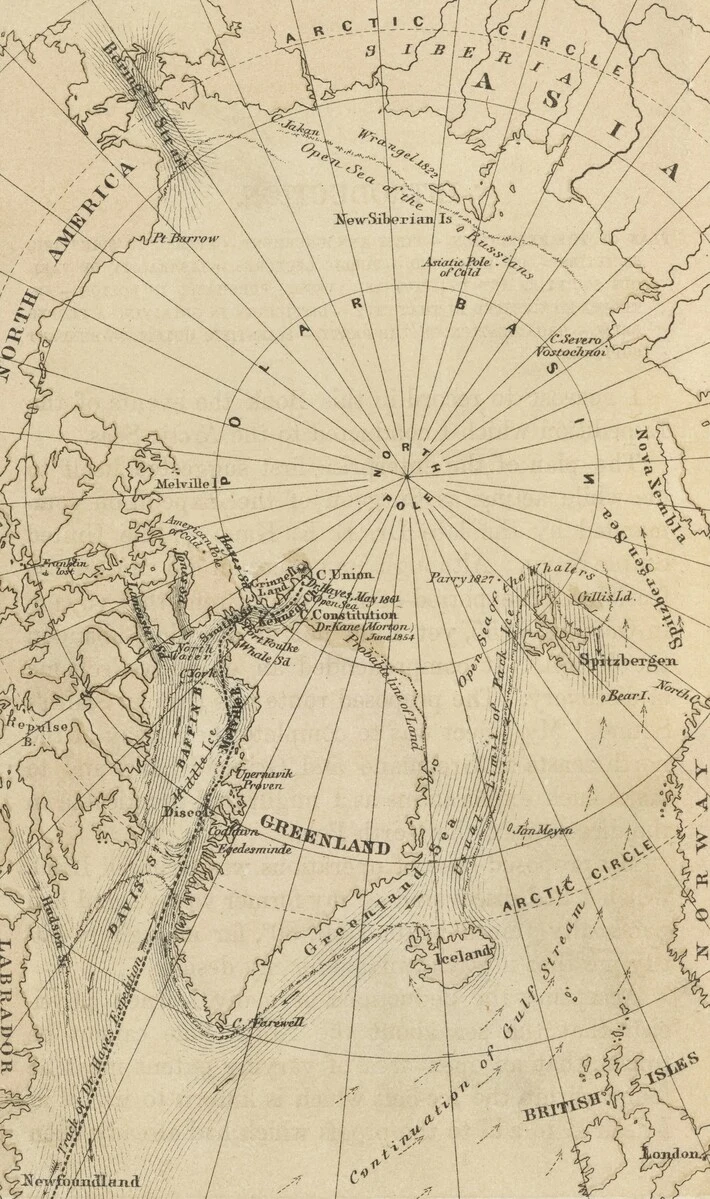
For centuries, the Arctic was viewed as a remote, frozen frontier with little strategic relevance beyond scientific exploration and indigenous communities. Today, that perception has dramatically changed. As climate change accelerates the melting of Arctic sea ice, the region is transforming into one of the world’s most significant geopolitical battlegrounds.
The Arctic is no longer merely an environmental concern. It has become a focal point of strategic competition involving major powers such as Russia, the United States, China, Canada, and several NATO members. Control over shipping routes, energy resources, critical minerals, military positioning, and technological infrastructure is increasingly shaping global Arctic politics.
The question facing policymakers today is simple yet profound:
Will the Arctic become a zone of cooperation or the next arena of great-power rivalry?
Why the Arctic Matters
The Arctic covers approximately 14 million square kilometers and contains enormous untapped economic and strategic value.
According to various geological assessments, the region may hold:
- Around 13% of the world’s undiscovered oil reserves
- Nearly 30% of undiscovered natural gas reserves
- Significant deposits of rare earth minerals, nickel, cobalt, copper, and lithium
- Some of the world’s richest fishing grounds
As sea ice retreats, access to these resources becomes increasingly feasible.
However, resources are only part of the story.
The Arctic’s greatest strategic importance may lie in its geography.
The Race for New Shipping Routes
One of the most transformative consequences of Arctic warming is the emergence of new maritime routes.
Northern Sea Route (NSR)
The Northern Sea Route follows Russia’s Arctic coastline from Europe to Asia.
Benefits include:
- Shorter travel times between Europe and East Asia
- Reduced fuel consumption
- Lower transportation costs
- Potential alternatives to vulnerable chokepoints such as the Suez Canal
Studies and strategic assessments indicate that Arctic shipping routes could significantly reduce travel distances between Asian and European markets. However, infrastructure limitations, seasonal conditions, and geopolitical risks continue to constrain widespread adoption.
Northwest Passage
The Northwest Passage traverses the Canadian Arctic Archipelago.
Canada views much of the route as internal waters, while several countries, including the United States, argue that it constitutes an international strait.
This disagreement represents one of the Arctic’s most significant sovereignty disputes.
Future Trans-Arctic Route
Scientists predict that continued ice melt could eventually allow direct shipping across the central Arctic Ocean.
Such a route would fundamentally reshape global maritime trade and reduce dependence on traditional sea lanes.
Russia: The Arctic Superpower
No country has invested more heavily in the Arctic than Russia.
Nearly half of the Arctic coastline belongs to Russia, making the region central to Moscow’s economic and security strategy.
Russian objectives include:
- Expanding Arctic energy production
- Developing the Northern Sea Route
- Strengthening military infrastructure
- Protecting nuclear submarine bases
- Increasing influence over Arctic governance
Russia possesses the world’s largest fleet of icebreakers, including numerous nuclear-powered vessels, giving it a substantial operational advantage in Arctic waters.
Since the deterioration of relations with Western countries following the Ukraine conflict, Moscow has increasingly turned toward Asian markets and Arctic trade corridors as part of its broader geopolitical strategy.
China’s Arctic Ambitions
Despite not being an Arctic state, China has become one of the region’s most active external actors.
Beijing describes itself as a “Near-Arctic State” and has incorporated Arctic development into its broader Belt and Road Initiative through the concept of the “Polar Silk Road.”
China’s Arctic interests include:
- Access to energy resources
- Rare earth minerals
- Scientific research
- Telecommunications infrastructure
- Alternative maritime trade routes
Chinese policymakers view Arctic access as strategically important for reducing dependence on vulnerable shipping chokepoints such as the Strait of Malacca.
China has invested in Arctic energy projects, research stations, satellite infrastructure, and shipping experiments while strengthening cooperation with Russia across multiple Arctic sectors.
The United States and NATO Response
For many years, the United States devoted relatively limited attention to Arctic affairs.
That has changed dramatically.
Washington increasingly views the Arctic through the lens of strategic competition with Russia and China.
Key U.S. priorities include:
- Freedom of navigation
- Military readiness
- Arctic infrastructure modernization
- Icebreaker fleet expansion
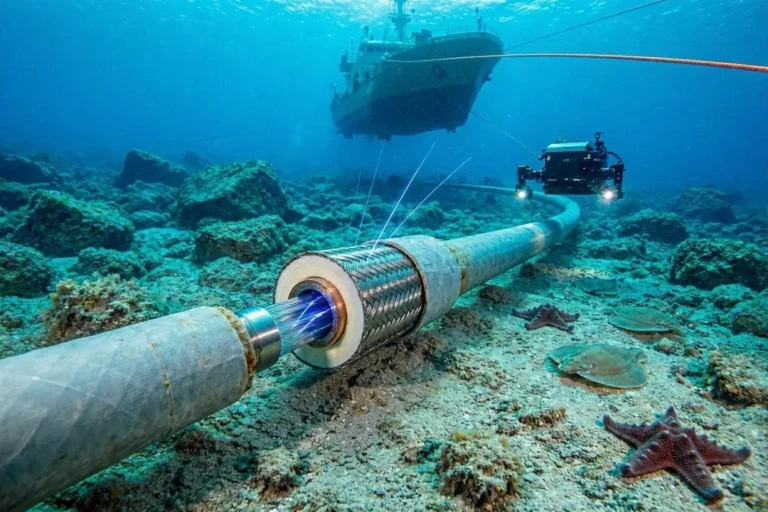
- Protection of critical undersea infrastructure
NATO has also increased Arctic-focused military exercises and surveillance operations.
The accession of Finland and Sweden to NATO has significantly strengthened the alliance’s Arctic posture, creating a new strategic environment in Northern Europe. Arctic security planners increasingly view Russia-China cooperation as a major long-term challenge.
Resource Competition and Energy Security
The Arctic contains enormous reserves of hydrocarbons and critical minerals essential for modern technologies.
These include:
- Rare earth elements
- Cobalt
- Nickel
- Lithium
- Copper
These materials are critical for:
- Electric vehicles
- Renewable energy systems
- Advanced military technologies
- Semiconductor production
As global competition for critical minerals intensifies, Arctic resource extraction is likely to become an increasingly important geopolitical issue.
At the same time, environmental concerns continue to generate fierce debate regarding the balance between economic development and ecological preservation.
The Arctic Council and Governance Challenges
For decades, the Arctic Council served as the primary forum for regional cooperation.
Members include:
- United States
- Canada
- Russia
- Norway
- Denmark
- Sweden
- Finland
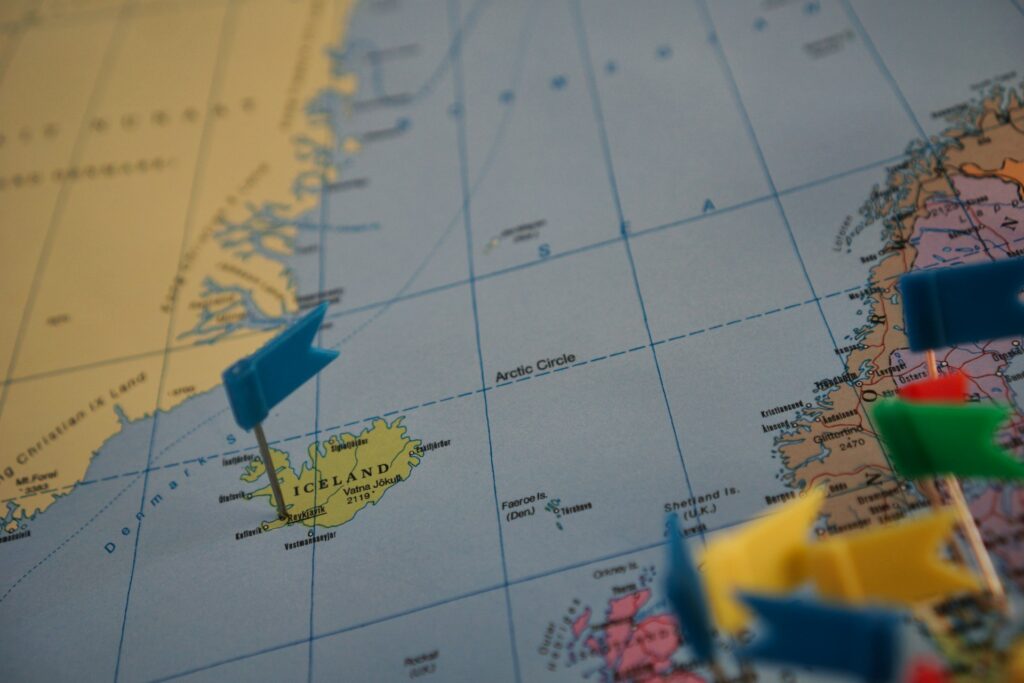
- Iceland
The Council historically focused on:
- Environmental protection
- Scientific cooperation
- Sustainable development
However, geopolitical tensions have increasingly affected its effectiveness.
Following Russia’s invasion of Ukraine, cooperation within Arctic governance institutions became significantly strained, raising concerns about the future of multilateral Arctic management.
Without effective governance mechanisms, competition over resources, shipping, and sovereignty could become more difficult to manage.
Climate Change: The Ultimate Strategic Driver
Climate change remains the single most important factor reshaping Arctic geopolitics.
The Arctic is warming approximately four times faster than the global average.
Consequences include:
- Shrinking sea ice
- Melting permafrost
- Coastal erosion
- Ecosystem disruption
- Increased accessibility for shipping and extraction
Ironically, the same environmental changes that threaten Arctic ecosystems are creating economic opportunities that attract geopolitical competition.
This creates a fundamental paradox:
The Arctic’s strategic value increases as its environmental stability decreases.
Future Scenarios
Scenario 1: Managed Competition
Countries continue competing economically and strategically while maintaining diplomatic channels and cooperative governance.
This remains the most likely outcome.
Scenario 2: Intensified Militarization
Growing military deployments, naval patrols, and infrastructure projects increase tensions and raise the risk of incidents.
Scenario 3: Economic Arctic Boom
Technological advances and continued ice retreat transform the Arctic into a major global trade and resource hub.
Scenario 4: Governance Breakdown
Weak institutions and rising geopolitical rivalry lead to territorial disputes and prolonged instability.
Conclusion
The Arctic has entered a new geopolitical era.
What was once a frozen frontier is rapidly becoming a strategic crossroads where climate change, resource competition, technological innovation, military strategy, and great-power politics intersect.
Russia seeks dominance through geography and infrastructure. China aims to expand influence through investment and the Polar Silk Road. The United States and NATO are increasing their presence to counter emerging challenges.
The future of the Arctic will not only shape the northern hemisphere—it may significantly influence the balance of global power throughout the 21st century.
The race for the Arctic is no longer a future possibility.
It has already begun.
References
- NATO Parliamentary Assembly – “Renavigating the Unfrozen Arctic” (2025)
https://www.nato-pa.int/document/2025-arctic-report-fridbertsson-022-stc - Chatham House – Russia and China are Expanding in the Arctic
https://www.chathamhouse.org - Carnegie Endowment – Global Energy Competition in the Arctic
https://carnegieendowment.org - CEPA – Sino-Russian Cooperation in the Arctic
https://cepa.org - INSS – Dragon on Ice: China’s Geostrategic Interests in the Arctic
https://www.inss.org.il - Reuters – Russia Sees Scope for International Investors in Arctic
https://www.reuters.com - MERICS – Arctic, Outer Space and Influence-Building
https://merics.org