The Battle for Africa’s Resources: The New Scramble for Strategic Minerals
Introduction
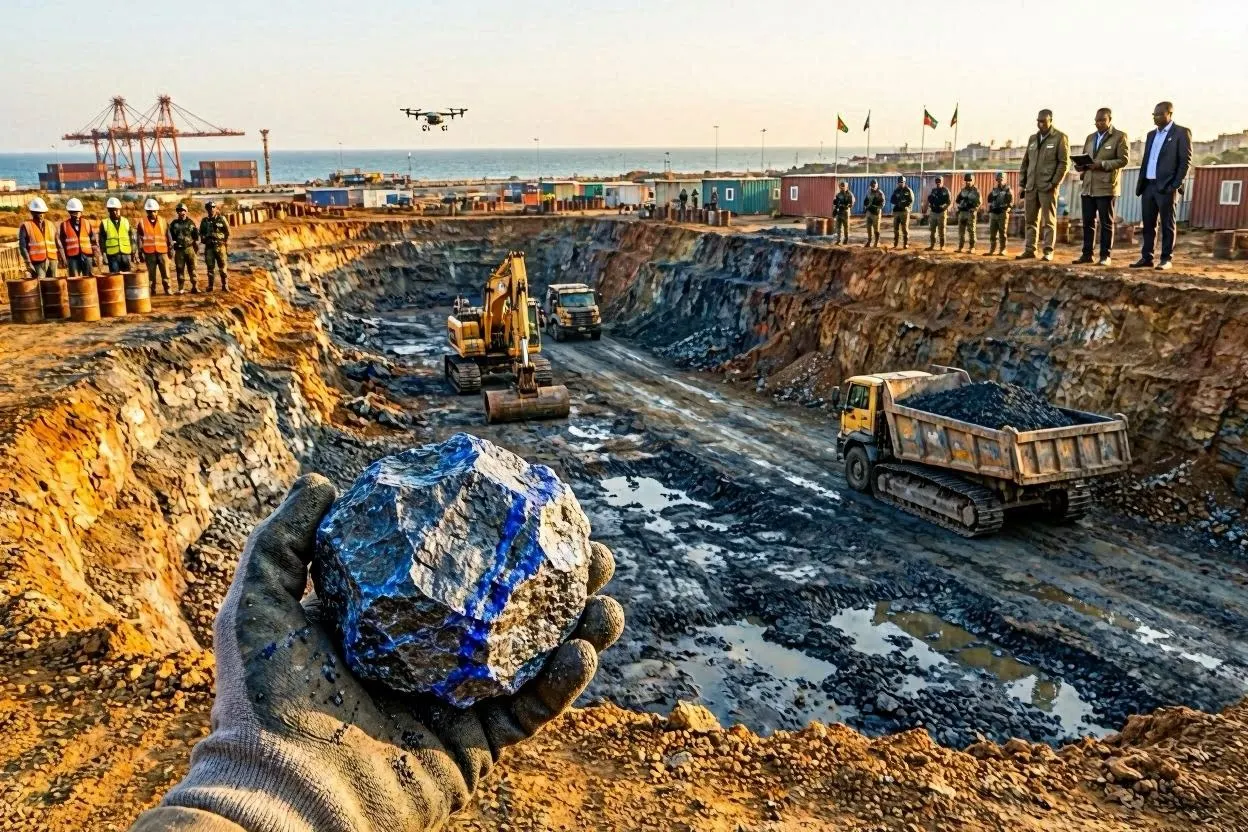
A century ago, global powers raced to divide Africa’s territory. Today, the competition has returned—but this time the battle is not for land. It is for the minerals that will power the twenty-first century.
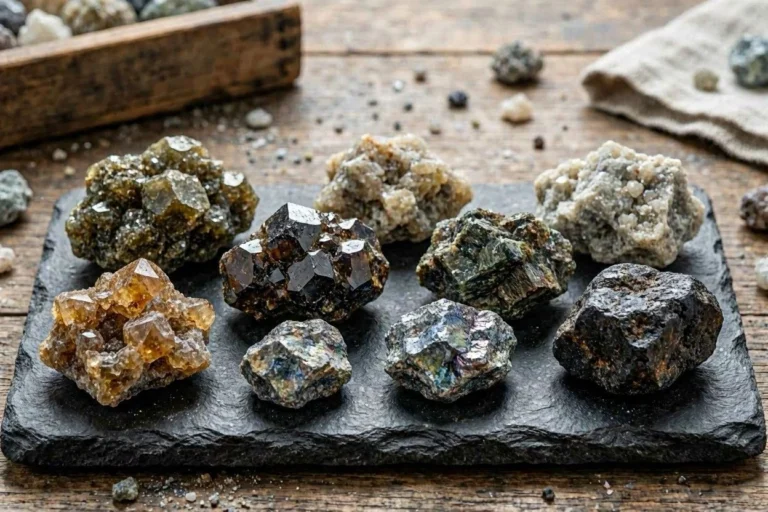
From electric vehicles and artificial intelligence to advanced weapons systems and renewable energy infrastructure, modern economies depend on a range of critical minerals. Lithium powers batteries, cobalt improves energy storage, copper enables electrification, and rare earth elements are essential for everything from fighter jets to wind turbines.
Many of these resources are concentrated in Africa.
As the world transitions toward clean energy and digital technologies, Africa has become one of the most strategically important regions on Earth. Governments and corporations from China, the United States, Europe, India, Russia, Turkey, and the Gulf states are investing billions of dollars to secure access to African mineral wealth.
The result is a new geopolitical competition often described as the “New Scramble for Africa.”
Why Strategic Minerals Matter More Than Ever
The global economy is undergoing a historic transformation.
Three major trends are driving demand for critical minerals:
- Electrification of transportation
- Expansion of renewable energy
- Growth of advanced technologies and AI infrastructure
According to the International Energy Agency (IEA), demand for minerals used in clean-energy technologies could increase several times over by 2040.
Electric vehicles require significantly more mineral inputs than conventional cars. Wind turbines, solar panels, energy storage systems, and data centers all depend on reliable supplies of critical resources.
Countries that control these supply chains will gain enormous economic and geopolitical advantages.
This is why strategic minerals are increasingly viewed not simply as commodities, but as national security assets.
Africa’s Mineral Treasure Chest
Africa possesses some of the world’s largest reserves of critical minerals.
Democratic Republic of Congo: The Cobalt Superpower
The Democratic Republic of Congo (DRC) produces roughly 70% of the world’s cobalt supply.
Cobalt remains essential for many battery technologies used in electric vehicles and energy storage systems.
Without Congolese cobalt, the global EV revolution would face serious supply challenges.
Zambia and the Copper Belt
Zambia is one of the world’s most important copper producers.
Copper is often called the “metal of electrification” because it is essential for:
- Electric vehicles
- Power grids
- Renewable energy systems
- Data centers
- Telecommunications networks
As global electrification accelerates, copper demand is expected to surge.
Zimbabwe’s Lithium Opportunity
Zimbabwe possesses some of Africa’s largest lithium deposits.
Lithium is a critical component of rechargeable batteries and is expected to remain one of the most sought-after resources of the energy transition.
Chinese companies have invested heavily in Zimbabwean lithium projects in recent years.
South Africa’s Strategic Importance
South Africa holds major reserves of:
- Platinum group metals
- Manganese
- Vanadium
- Chromium
These minerals are essential for advanced manufacturing, hydrogen technologies, aerospace applications, and industrial production.
Rare Earth Potential Across the Continent
Several African countries—including Tanzania, Malawi, Madagascar, and South Africa—are emerging as important sources of rare earth elements.
Rare earths are indispensable for:
- Advanced electronics
- Missile guidance systems
- Wind turbines
- Smartphones
- AI hardware
As governments seek alternatives to Chinese supply chains, African rare earth projects are attracting increasing attention.
China’s Dominance in Africa
No country has invested more aggressively in African mining than China.
For more than two decades, Beijing has pursued a long-term strategy focused on securing access to critical resources.
Chinese companies have acquired stakes in mines across:
- Congo
- Zambia
- Zimbabwe
- Guinea
- South Africa
China’s approach combines:
- Infrastructure financing
- Long-term mineral agreements
- State-backed investment
- Industrial partnerships
Today, Chinese firms play a major role not only in extracting minerals but also in processing them.
This is a crucial advantage because processing often generates more value than extraction itself.
China’s dominance in mineral refining has become a major concern for Western governments.
The United States Responds
Washington increasingly views critical mineral supply chains as a strategic vulnerability.
Recent U.S. initiatives seek to diversify sources of key minerals and reduce dependence on Chinese-controlled processing networks.
American policymakers see Africa as an essential partner in building resilient supply chains for:
- Electric vehicles
- Semiconductor manufacturing
- Defense industries
- Renewable energy technologies
New investments and partnerships are emerging across the continent as part of broader efforts to compete with China.
Europe’s Critical Mineral Strategy
Europe faces a unique challenge.
The European Union is aggressively pursuing climate goals while lacking sufficient domestic supplies of many critical minerals.
As a result, European governments and corporations have expanded engagement with African producers.
The EU’s Critical Raw Materials strategy aims to secure reliable access to strategic resources while promoting sustainable mining practices.
For Europe, Africa represents both an economic opportunity and a geopolitical necessity.
The Growing Role of India and Gulf States
The competition for African resources is no longer limited to China and the West.
India is expanding its presence across Africa to secure resources needed for its manufacturing and energy ambitions.
Meanwhile, countries such as Saudi Arabia and the United Arab Emirates are increasing investments in African mining and infrastructure projects.
These emerging players add another layer to an already complex geopolitical landscape.
Resource Nationalism Is Rising
African governments are becoming increasingly determined to capture more value from their mineral wealth.
Many countries are moving beyond the traditional model of exporting raw materials.
New policies often include:
- Local processing requirements
- Higher royalties
- Increased government ownership
- Domestic manufacturing initiatives
Leaders argue that Africa must avoid repeating historical patterns in which foreign powers extracted resources while local populations received limited benefits.
This trend, often called resource nationalism, is reshaping investment strategies across the continent.
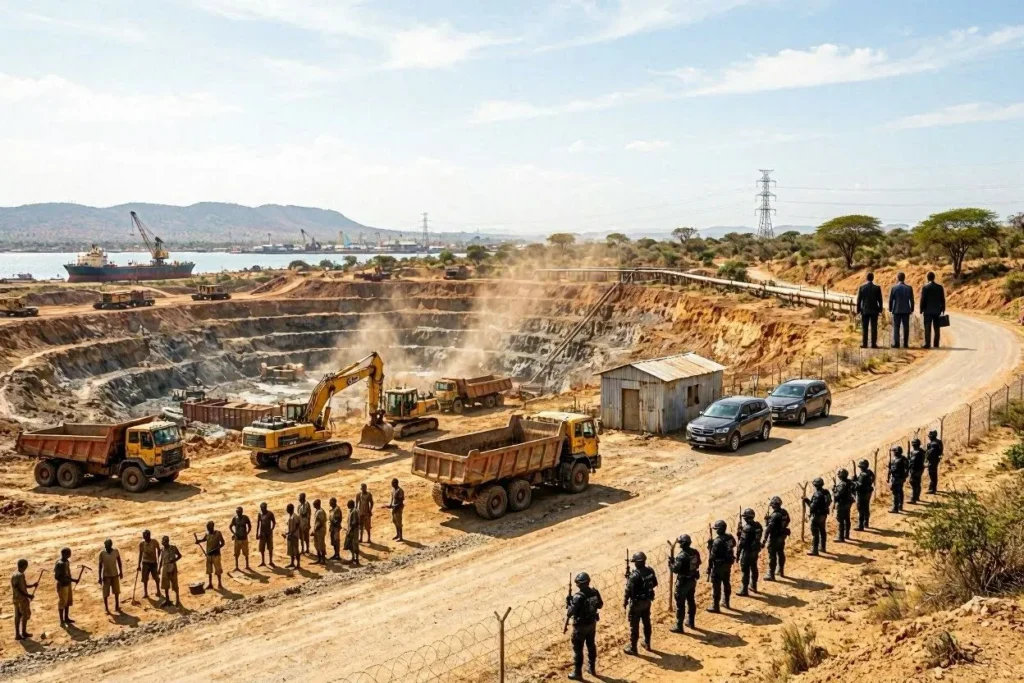
The Security Challenge
The battle for strategic minerals is not occurring in a vacuum.
Several resource-rich regions face significant security risks.
Challenges include:
- Political instability
- Armed conflict
- Corruption
- Weak governance
- Illegal mining operations
In some areas, mineral wealth has fueled violence rather than development.
Addressing governance challenges will be essential if Africa is to fully benefit from the growing demand for critical resources.
Can Africa Become the Biggest Winner?
The new scramble for Africa does not have to mirror the colonial-era competition of the past.
Africa’s governments possess greater bargaining power than ever before.
Several factors strengthen Africa’s position:
- Rising global mineral demand
- Competition among foreign investors
- Growing regional cooperation
- Expanding infrastructure networks
- Increased awareness of resource governance
If managed effectively, strategic minerals could accelerate industrialization, create jobs, and support long-term economic development.
However, success will depend on transparency, governance reforms, infrastructure investment, and value-added manufacturing.
The stakes could not be higher.
The Future of the Global Mineral Race
The coming decades may be defined by competition over strategic resources as much as by competition over technology itself.
Electric vehicles, artificial intelligence, renewable energy, advanced manufacturing, and defense systems all depend on reliable access to critical minerals.
Africa sits at the center of this transformation.
The continent’s resource wealth has the potential to influence global power balances, shape economic growth, and determine the winners and losers of the energy transition.
The battle for Africa’s resources is no longer a regional story.
It is one of the defining geopolitical contests of the twenty-first century.
Conclusion
The global race for strategic minerals has transformed Africa into one of the world’s most important geopolitical arenas. As nations compete to secure supplies of cobalt, lithium, copper, rare earths, and other critical resources, African countries possess an unprecedented opportunity to leverage their mineral wealth for long-term development.
Whether this new scramble leads to prosperity or exploitation will depend on decisions made in African capitals as much as in Washington, Beijing, Brussels, and New Delhi. One thing is certain: the future of the global economy will be deeply connected to the future of Africa’s minerals.