
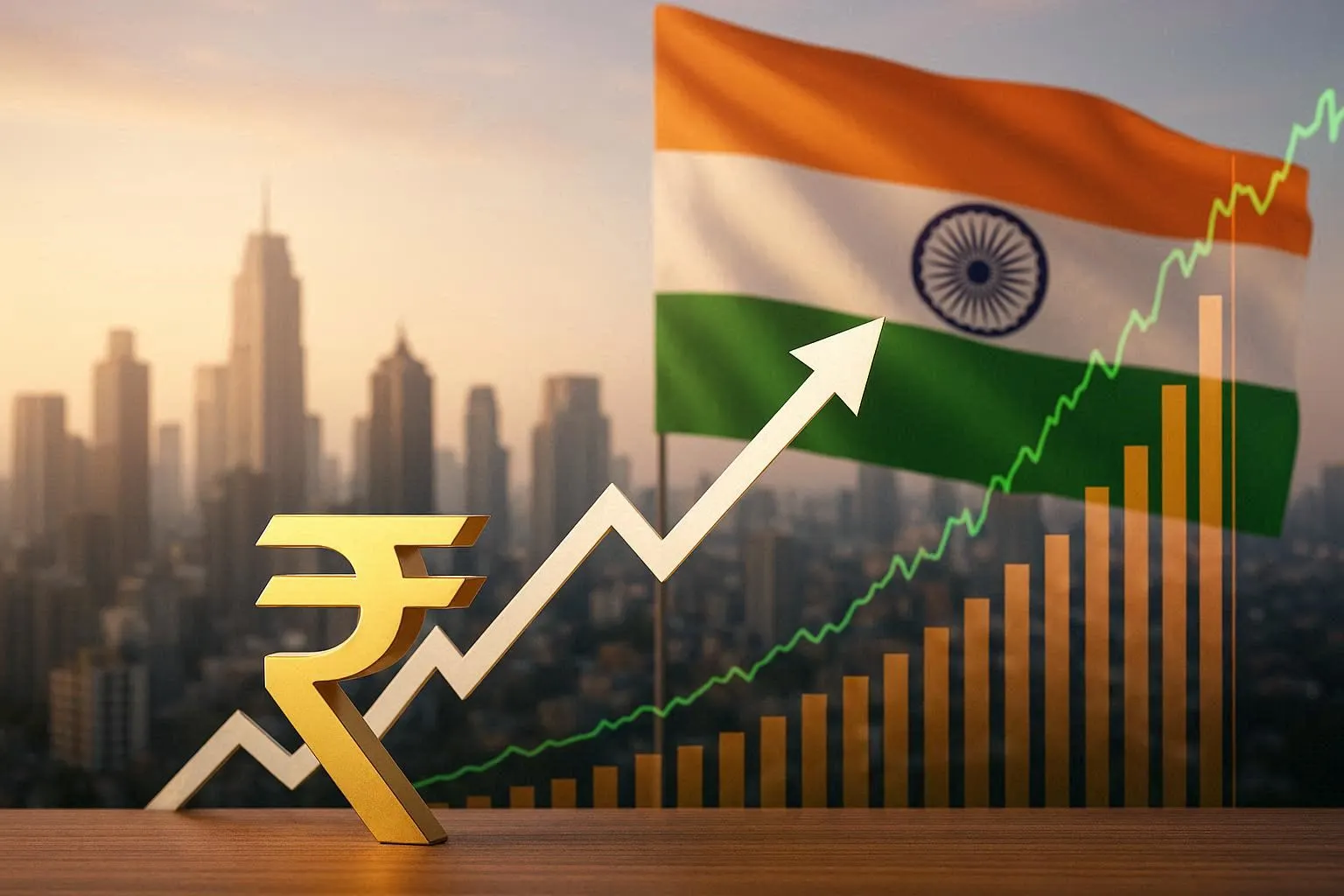
Why India’s Economy Could Shock the World Before 2030
Introduction
The global economic order is undergoing one of the most significant transformations of the 21st century. For decades, the world’s largest economies have been dominated by the United States, China, Japan, and major European nations. However, a new economic powerhouse is rapidly emerging: India.
With a population exceeding 1.4 billion people, accelerating digital transformation, rising manufacturing capabilities, massive infrastructure investments, and a growing middle class, India is increasingly viewed as one of the most important growth engines of the global economy.
Many economists and international institutions now project that India could become the world’s third-largest economy before 2030, surpassing traditional economic giants such as Japan and Germany.
But what is driving India’s rise? Can India sustain its growth trajectory? And what challenges could slow its ascent?
This article explores the economic, technological, geopolitical, and demographic factors that could propel India into the world’s top three economies within the next decade.
India’s Economic Rise: A Historical Perspective
For centuries, India was one of the world’s largest economic centers. Historical estimates suggest that India accounted for a significant share of global GDP before the Industrial Revolution.
Following independence in 1947, India adopted a state-controlled economic model that produced modest growth. Major economic reforms in 1991 transformed the country’s trajectory by liberalizing trade, reducing regulations, and encouraging foreign investment.
Since then, India has evolved into one of the world’s fastest-growing major economies.
According to the International Monetary Fund (IMF), India’s nominal GDP has grown from roughly $270 billion in 1991 to over $4 trillion today, making it one of the largest economies globally.
1. Demographic Advantage: The World’s Largest Workforce
India’s greatest strength may be its people.
Unlike many developed nations facing aging populations and declining birth rates, India possesses a young and expanding workforce.
Key Demographic Advantages
- Median age around 28 years
- Over 65% of the population under 35
- Largest working-age population globally
- Expanding consumer market
While countries such as China, Japan, South Korea, and much of Europe confront demographic decline, India is entering its demographic dividend phase.
This creates a powerful combination:
- More workers
- Higher productivity
- Greater consumption
- Increased entrepreneurship
A young workforce can significantly boost economic growth if supported by education, job creation, and infrastructure development.
2. Digital Transformation Is Accelerating Growth
India has quietly built one of the world’s most advanced digital public infrastructures.
The combination of:
- Aadhaar digital identity
- UPI digital payments
- Mobile internet expansion
- Affordable smartphones
has created a digital ecosystem unmatched in many developing nations.
The UPI Revolution
India’s Unified Payments Interface (UPI) processes billions of transactions every month and has transformed how individuals and businesses conduct financial transactions.
This digital infrastructure:
- Reduces transaction costs
- Improves financial inclusion
- Boosts productivity
- Encourages entrepreneurship
The rise of fintech companies, e-commerce platforms, and digital services is creating new economic opportunities across urban and rural India.
3. Manufacturing Growth and the China+1 Strategy
Global companies are increasingly seeking alternatives to China for manufacturing and supply chain diversification.
This trend, often called the “China+1” strategy, presents a major opportunity for India.
Why Companies Are Looking Beyond China
- Rising labor costs
- Geopolitical tensions
- Supply chain risks
- Trade restrictions
India is actively positioning itself as a manufacturing hub through initiatives such as:
- Make in India
- Production-Linked Incentive (PLI) schemes
- Infrastructure modernization
- Export-oriented manufacturing policies
Industries experiencing rapid growth include:
- Electronics
- Semiconductors
- Pharmaceuticals
- Renewable energy equipment
- Automotive manufacturing
Major global corporations have expanded manufacturing operations in India, strengthening its role in global supply chains.
4. Infrastructure Investment Is Transforming the Economy
Infrastructure serves as the backbone of economic growth.
India is investing heavily in:
- Highways
- Railways
- Airports
- Ports
- Industrial corridors
- Logistics networks
Large-scale infrastructure projects improve:
- Trade efficiency
- Business productivity
- Investment attractiveness
- Regional development
The reduction of logistics costs alone could significantly increase India’s competitiveness in global markets.
5. Rising Foreign Investment
Foreign Direct Investment (FDI) continues to flow into India due to:
- Large domestic market
- Economic reforms
- Political stability
- Expanding digital economy
- Manufacturing opportunities
International investors increasingly view India as a long-term growth story.
Major sectors attracting investment include:
- Technology
- Manufacturing
- Renewable energy
- Financial services
- Infrastructure
Continued FDI inflows could accelerate economic expansion throughout the decade.
6. India’s Technology Sector Is Becoming a Global Force
India’s technology industry is already among the world’s most influential.
The country has become:
- A global software hub
- An IT services powerhouse
- A startup ecosystem leader
India now ranks among the leading nations for startup creation.
Emerging growth sectors include:
- Artificial Intelligence
- Cloud Computing
- Cybersecurity
- Fintech
- Deep Tech
- Semiconductor Design
As AI reshapes the global economy, India’s large pool of engineers and technology professionals could become a significant competitive advantage.
7. Geopolitical Positioning Strengthens Economic Potential
India occupies a unique geopolitical position.
It maintains relationships with:
- The United States
- Europe
- Russia
- Middle Eastern nations
- Southeast Asia
This strategic flexibility allows India to benefit from multiple economic partnerships.
As global supply chains shift and geopolitical competition intensifies, India is increasingly viewed as a key strategic partner for many nations.
Its role in international forums continues to expand, strengthening its influence in global economic decision-making.
Challenges That Could Slow India’s Rise
Despite impressive momentum, India faces several significant challenges.
Employment Generation
Economic growth must create sufficient jobs for millions entering the workforce annually.
Infrastructure Gaps
Although improving rapidly, infrastructure development must continue to keep pace with economic expansion.
Education and Skills
Workforce productivity depends on continued improvements in education and vocational training.
Urbanization Pressures
Rapid urban growth requires investments in:
- Housing
- Transportation
- Healthcare
- Utilities
Bureaucratic Complexity
Further regulatory reforms could improve business efficiency and investment attractiveness.
Addressing these challenges will be crucial if India hopes to achieve sustained high growth.
Could India Overtake Japan and Germany Before 2030?
Many economic forecasts suggest that India could surpass both Japan and Germany in nominal GDP before the end of the decade.
Several factors support this possibility:
- Faster GDP growth
- Larger population
- Expanding consumer spending
- Digital transformation
- Manufacturing expansion
- Rising investment
If current trends continue, India could become:
- United States
- China
- India
This would represent one of the most significant economic shifts of the modern era.
The Bigger Picture: A New Global Economic Order
India’s rise is not simply an economic story.
It represents a broader transformation of global power.
Economic strength increasingly translates into:
- Geopolitical influence
- Technological leadership
- Military capabilities
- Global diplomatic power
As India’s economy expands, its influence on international trade, technology standards, energy markets, and global governance is likely to grow significantly.
The coming decade may mark the beginning of a new era in which India emerges as one of the defining powers of the 21st century.
Conclusion
India’s path toward becoming the world’s third-largest economy is supported by powerful structural advantages:
- Demographic strength
- Digital innovation
- Manufacturing growth
- Infrastructure investment
- Expanding technology sector
- Strategic geopolitical positioning
While challenges remain, the overall trajectory remains highly favorable.
If India successfully executes economic reforms, strengthens education and infrastructure, and continues attracting global investment, it could achieve a historic milestone before 2030.
The rise of India would not merely reshape economic rankings—it could fundamentally alter the balance of global power for decades to come.
References
- IMF World Economic Outlook – https://www.imf.org
- World Bank Data – https://www.worldbank.org
- OECD Economic Outlook – https://www.oecd.org
- Reserve Bank of India – https://www.rbi.org.in
- Ministry of Finance, Government of India – https://www.finmin.gov.in
- NITI Aayog – https://www.niti.gov.in
- United Nations Population Data – https://population.un.org


One Comment