Energy Transition Economics: The Financial Reality Behind the Global Shift to Clean Energy
Energy Transition Economics: Understanding the Financial Engine of a Sustainable Future
The global energy sector is experiencing one of the most significant transformations in modern economic history. As countries, industries, and investors increasingly prioritize sustainability, the transition from fossil fuels to renewable energy sources is reshaping markets, investment strategies, labor dynamics, and national economic policies.
Energy transition economics examines the costs, benefits, risks, and opportunities associated with this shift. It seeks to answer critical questions: How much will the transition cost? Who benefits economically? Can clean energy deliver long-term growth while reducing carbon emissions? And what challenges remain?
Understanding these economic forces is essential for policymakers, businesses, investors, and consumers navigating the rapidly evolving energy landscape.
What Is Energy Transition Economics?
Energy transition economics refers to the study of financial, market, and policy mechanisms involved in shifting from carbon-intensive energy systems toward cleaner and more sustainable alternatives.
This transition includes:
- Renewable energy deployment (solar, wind, hydro, geothermal)
- Electrification of transportation
- Energy efficiency improvements
- Green hydrogen development
- Battery storage expansion
- Carbon capture technologies
- Smart grid modernization
Unlike previous energy shifts, today’s transition is heavily influenced by climate goals, technological innovation, and international policy frameworks.
Why the Energy Transition Matters Economically
Historically, energy has been the foundation of economic development. Industrial revolutions were powered by coal, oil, and natural gas. Today, the challenge is to maintain economic growth while reducing greenhouse gas emissions.
The energy transition matters because it affects:
Economic Growth
Investment in clean energy infrastructure creates economic activity, stimulates innovation, and generates demand across multiple industries.
Energy Security
Countries that reduce dependence on imported fossil fuels can strengthen energy independence and improve resilience against geopolitical disruptions.
Employment Opportunities
Renewable energy industries create millions of jobs in manufacturing, installation, maintenance, research, and engineering.
Climate Risk Reduction
The economic costs of climate-related disasters continue to rise. Transitioning to low-carbon energy systems can help reduce long-term financial risks associated with extreme weather events.
The Declining Cost of Renewable Energy
One of the strongest economic arguments for the energy transition is the dramatic reduction in renewable energy costs.
Over the past two decades:
Solar Power
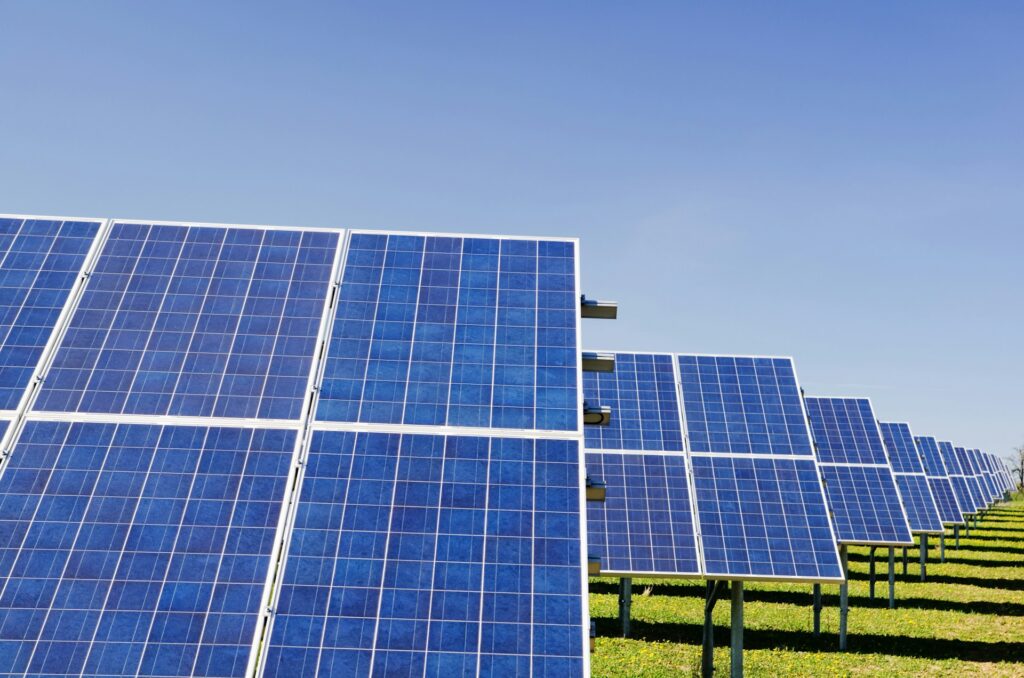
Solar photovoltaic technology has become significantly cheaper due to:
- Manufacturing scale
- Technological improvements
- Supply chain optimization
- Increased market competition
Many regions now produce solar electricity at costs lower than new coal or gas plants.
Wind Energy
Both onshore and offshore wind technologies have improved efficiency while reducing production costs.
Larger turbines, better forecasting systems, and advanced engineering have increased output while lowering the cost per unit of electricity.
Battery Storage
Battery costs have fallen substantially, making renewable energy more reliable and helping address intermittency challenges.
As storage technologies continue improving, renewable energy systems become increasingly competitive with conventional power generation.
Global Investment Trends
The energy transition is attracting unprecedented levels of investment.
Major investment categories include:
Renewable Energy Projects
Governments and private investors are funding large-scale solar farms, wind projects, and clean power infrastructure.
Electric Vehicles
The electrification of transportation has triggered massive investments in:
- EV manufacturing
- Charging networks
- Battery production
- Critical mineral supply chains
Grid Infrastructure
Modern energy systems require smart grids capable of handling decentralized electricity generation and fluctuating renewable supply.
Green Hydrogen
Green hydrogen is emerging as a promising solution for decarbonizing heavy industries, shipping, and aviation.
Investments in hydrogen production and transportation infrastructure continue to accelerate globally.
Economic Benefits of the Energy Transition
Job Creation
Renewable energy sectors are labor-intensive during construction and installation phases.
New employment opportunities are emerging in:
- Solar panel manufacturing
- Wind turbine installation
- Grid modernization
- Battery technology
- Clean energy research
Many economists view clean energy as a significant source of future workforce growth.
Innovation and Productivity
The energy transition drives technological advancement across multiple sectors.
Innovations include:
- Artificial intelligence for energy management
- Smart grids
- Energy storage systems
- Advanced materials
- Carbon capture solutions
Innovation improves productivity and creates entirely new industries.
Reduced Fuel Costs
Unlike fossil fuels, renewable resources such as sunlight and wind have no fuel costs.
Over time, this can provide more stable energy prices and reduce exposure to volatile global commodity markets.
Improved Public Health
Reducing air pollution lowers healthcare expenditures associated with respiratory and cardiovascular diseases.
These indirect economic benefits are often underestimated in traditional energy cost analyses.
The Challenges and Costs of Transition
Despite significant benefits, the transition is not without economic challenges.
High Upfront Capital Requirements
Renewable energy infrastructure requires substantial initial investment.
Governments and financial institutions must mobilize large amounts of capital to support deployment.
Stranded Assets
Fossil fuel infrastructure may lose value before reaching the end of its expected operational life.
This can impact:
- Energy companies
- Investors
- Pension funds
- Local economies dependent on fossil fuel industries
Workforce Displacement
Workers employed in coal, oil, and gas sectors may face job losses.
A successful transition requires:
- Retraining programs
- Education initiatives
- Economic diversification strategies
- Community support measures
Supply Chain Constraints
The clean energy transition depends on critical minerals such as:
- Lithium
- Nickel
- Cobalt
- Copper
- Rare earth elements
Securing sustainable supply chains remains a major economic and geopolitical challenge.
The Role of Government Policy
Markets alone may not drive energy transitions at the required speed.
Governments influence outcomes through:
Carbon Pricing
Carbon taxes and emissions trading systems help account for environmental costs associated with fossil fuel use.
Clean Energy Subsidies
Financial incentives encourage renewable energy deployment and technological innovation.
Infrastructure Investment
Public funding supports transmission networks, charging stations, and energy storage systems.
Regulatory Frameworks
Clear regulations provide certainty for investors and reduce project development risks.
Successful policy frameworks can accelerate economic growth while supporting climate objectives.
Energy Transition and Developing Economies
Developing nations face unique challenges and opportunities.
Challenges
- Limited access to capital
- Infrastructure deficits
- Growing energy demand
- Technology transfer barriers
Opportunities
Many developing countries possess abundant renewable resources.
Solar and wind technologies offer pathways to:
- Expand electricity access
- Reduce fuel imports
- Improve energy security
- Support sustainable industrialization
International financing mechanisms play a critical role in enabling these transitions.
The Future of Energy Transition Economics
Several trends are likely to shape the next decade:
Continued Cost Reductions
Technological improvements are expected to further lower renewable energy and storage costs.
Greater Electrification
Transportation, heating, and industrial processes will increasingly rely on electricity generated from clean sources.
Expansion of Green Finance
Environmental, Social, and Governance (ESG) investing continues to direct capital toward sustainable projects.
Carbon Markets Growth
Global carbon markets are expected to become increasingly important economic tools for emissions reduction.
Digital Energy Systems
Artificial intelligence, big data analytics, and smart technologies will optimize energy production and consumption.
Conclusion
Energy transition economics is fundamentally about balancing environmental responsibility with economic prosperity. While the transition requires significant investment and presents complex challenges, the long-term economic benefits are increasingly compelling.
Declining renewable energy costs, growing investor interest, technological innovation, and supportive policy frameworks are accelerating the shift toward cleaner energy systems worldwide. Countries and businesses that adapt effectively stand to benefit from new growth opportunities, enhanced energy security, and greater resilience in a rapidly changing global economy.
The energy transition is no longer merely an environmental objective—it has become one of the defining economic transformations of the 21st century.
References
- International Energy Agency (IEA) – https://www.iea.org
- International Renewable Energy Agency (IRENA) – https://www.irena.org
- World Bank Energy Sector Reports – https://www.worldbank.org
- United Nations Climate Change (UNFCCC) – https://unfccc.int
- International Monetary Fund (IMF) Climate Economics Research – https://www.imf.org
- BloombergNEF Energy Transition Reports – https://about.bnef.com
- OECD Energy and Climate Policy Analysis – https://www.oecd.org