BRICS Expansion Analysis: Reshaping the Global Economic and Geopolitical Order
Introduction
The expansion of BRICS has emerged as one of the most significant geopolitical developments of the 21st century. Originally founded by Brazil, Russia, India, China, and South Africa, BRICS was established to amplify the voices of emerging economies within a global system historically dominated by Western powers. However, the bloc’s recent expansion marks a turning point that could fundamentally reshape international trade, finance, diplomacy, and global governance.
As nations increasingly seek alternatives to traditional Western-led institutions such as the International Monetary Fund (IMF) and the World Bank, BRICS is evolving from a loose economic partnership into a broader geopolitical force. The inclusion of new members signals growing interest among developing nations in a more multipolar world order.
This article provides a comprehensive analysis of BRICS expansion, its strategic implications, economic significance, challenges, and what it means for the future of global power dynamics.
What is BRICS?
BRICS is an intergovernmental organization comprising major emerging economies. The acronym originally referred to:
- Brazil
- Russia
- India
- China
- South Africa
Together, these countries represent a substantial share of the world’s population, economic output, natural resources, and manufacturing capacity.
The primary objectives of BRICS include:
- Promoting economic cooperation
- Increasing trade among member states
- Reforming global financial institutions
- Reducing dependence on Western financial systems
- Strengthening South-South cooperation
Since its establishment, BRICS has created several mechanisms to support these goals, including the New Development Bank (NDB), often viewed as an alternative development financing institution.
The Historic BRICS Expansion
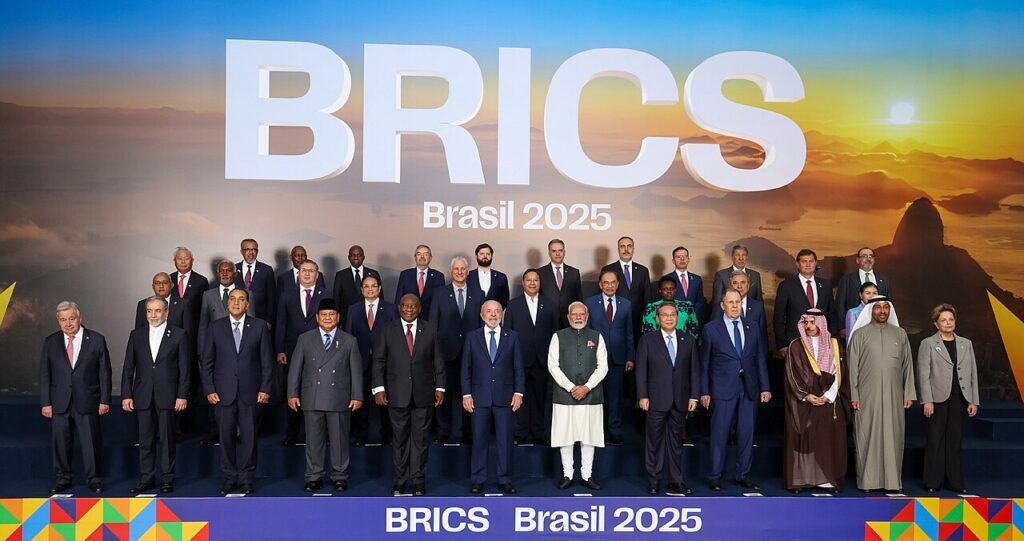
The most significant development in recent years has been the decision to expand membership beyond the original five countries.
New members invited and integrated into BRICS include:
- Saudi Arabia
- United Arab Emirates
- Egypt
- Ethiopia
- Iran
The expansion reflects growing dissatisfaction among many nations with existing global governance structures and increasing interest in alternative economic partnerships.
This enlargement significantly enhances BRICS’ geopolitical reach across:
- Asia
- Africa
- Middle East
- Latin America
The result is a bloc with greater influence over global energy markets, trade corridors, and diplomatic negotiations.
Why is BRICS Expanding?
1. Growing Demand for Multipolarity
Many developing countries believe the current international order disproportionately favors advanced Western economies.
BRICS expansion provides nations with:
- Greater representation
- Alternative financial partnerships
- Strategic autonomy
- Diversified diplomatic relationships
The bloc promotes the idea of a multipolar world where power is distributed among multiple centers rather than concentrated in a few countries.
2. Economic Diversification
Emerging economies increasingly seek opportunities beyond traditional Western markets.
Expanded BRICS membership allows countries to:
- Access larger consumer markets
- Increase investment flows
- Enhance infrastructure cooperation
- Develop regional supply chains
This diversification can reduce vulnerability to external economic shocks.
3. Energy Security
One of the most important outcomes of expansion is the inclusion of major energy producers.
Saudi Arabia, UAE, Iran, and Russia collectively possess enormous oil and gas reserves.
This gives BRICS considerable influence over:
- Global energy markets
- Oil pricing dynamics
- Energy security policies
- Long-term resource partnerships
Energy cooperation is expected to become a central pillar of future BRICS initiatives.
Economic Significance of Expanded BRICS
Population Advantage
Expanded BRICS represents a substantial portion of the global population.
This demographic strength creates:
- Large consumer markets
- Growing labor forces
- Expanding middle classes
- Significant economic potential
Population size remains one of BRICS’ strongest strategic assets.
Share of Global GDP
Collectively, BRICS economies account for a growing share of global economic output.
China and India remain key growth engines, while Gulf economies contribute financial strength and investment capacity.
The expanded bloc increasingly rivals established economic groups in terms of economic weight and global influence.
Trade Connectivity
BRICS expansion strengthens trade routes linking:
- Asia
- Africa
- Europe
- Middle East
- Latin America
Improved connectivity can facilitate:
- Infrastructure investment
- Logistics development
- Digital trade
- Regional integration
This interconnected network may accelerate economic growth across member states.
BRICS and De-Dollarization
Perhaps the most discussed aspect of BRICS expansion is the effort to reduce dependence on the U.S. dollar.
While complete replacement of the dollar remains unlikely in the near future, member countries are exploring:
- Local currency settlements
- Bilateral trade agreements
- Alternative payment systems
- Financial cooperation mechanisms
Several BRICS nations have already increased trade transactions in national currencies.
Potential benefits include:
- Reduced exchange-rate risk
- Lower transaction costs
- Greater financial independence
- Reduced exposure to sanctions
However, significant obstacles remain, including currency stability, liquidity concerns, and financial infrastructure requirements.
Strategic Impact on Global Politics
Challenging Existing Power Structures
The expanded BRICS bloc seeks greater influence within international institutions.
Key reform priorities include:
- United Nations reform
- IMF governance reform
- World Bank representation
- Global financial architecture modernization
Many member states argue that current structures do not adequately reflect contemporary economic realities.
South-South Cooperation
BRICS promotes stronger collaboration among developing countries.
Areas of cooperation include:
- Agriculture
- Technology
- Infrastructure
- Healthcare
- Education
- Climate resilience
This model encourages knowledge sharing and development partnerships independent of traditional donor-recipient frameworks.
Influence in the Global South
The expansion significantly increases BRICS’ appeal among nations across Africa, Asia, and Latin America.
Many countries view BRICS as:
- A platform for strategic autonomy
- A source of development financing
- An alternative diplomatic forum
- A mechanism for economic diversification
As a result, additional countries have expressed interest in joining future expansion rounds.
Key Challenges Facing BRICS Expansion
Despite its growing influence, BRICS faces several challenges.
1. Political Diversity
Member states possess different political systems, foreign policy priorities, and strategic interests.
Maintaining unity across such a diverse group may prove difficult.
2. Economic Disparities
Economic structures vary significantly among members.
Differences in:
- Income levels
- Industrial development
- Trade patterns
- Financial systems
can complicate policy coordination.
3. Geopolitical Tensions
Some members have historical disputes and competing regional interests.
Managing these differences while advancing collective goals remains a major challenge.
4. Institutional Capacity
As membership expands, BRICS must strengthen governance mechanisms.
Key priorities include:
- Decision-making frameworks
- Dispute resolution systems
- Financial cooperation structures
- Long-term strategic planning
Institutional effectiveness will largely determine the bloc’s future success.
Future Outlook
The future of BRICS expansion appears promising but complex.
Several trends are likely to shape the next decade:
Increased Membership Interest
More countries may seek accession as BRICS gains influence.
Potential candidates are likely to emerge from:
- Africa
- Southeast Asia
- Middle East
- Latin America
Enhanced Financial Cooperation
The New Development Bank may play a larger role in financing infrastructure and sustainable development projects.
Expanded lending capabilities could strengthen the bloc’s economic impact.
Growth in Local Currency Trade
Member countries are expected to continue exploring alternatives to dollar-based transactions.
Although gradual, this trend could contribute to a more diversified international financial system.
Greater Global Influence
As economic weight and membership increase, BRICS will likely become a more influential voice in international negotiations concerning:
- Trade
- Climate policy
- Energy security
- Technology governance
- Global development
Conclusion
The expansion of BRICS represents a pivotal moment in the evolution of the global order. By bringing together major emerging economies and strategically important regional powers, the bloc is positioning itself as a significant force in international affairs.
While challenges related to political diversity, economic disparities, and institutional development remain, the expanded BRICS framework reflects a broader shift toward multipolarity and greater representation for developing nations.
Whether BRICS ultimately transforms global governance or serves primarily as a complementary platform to existing institutions, its influence is expected to grow substantially in the coming decades. Policymakers, investors, businesses, and researchers should closely monitor its development, as the decisions made within BRICS may increasingly shape the future trajectory of the global economy and international politics.
References
- Official BRICS Information Portal – https://infobrics.org
- New Development Bank (NDB) – https://www.ndb.int
- International Monetary Fund (IMF) – https://www.imf.org
- World Bank Group – https://www.worldbank.org
- United Nations – https://www.un.org
- World Trade Organization (WTO) – https://www.wto.org
Keywords: BRICS Expansion, BRICS Analysis, BRICS Countries, Global Economy, Multipolar World, De-Dollarization, Emerging Markets, International Relations, Global Governance, BRICS Economic Impact, BRICS Future, Geopolitics 2026.