Global Water Crisis: The Defining Challenge of the 21st Century
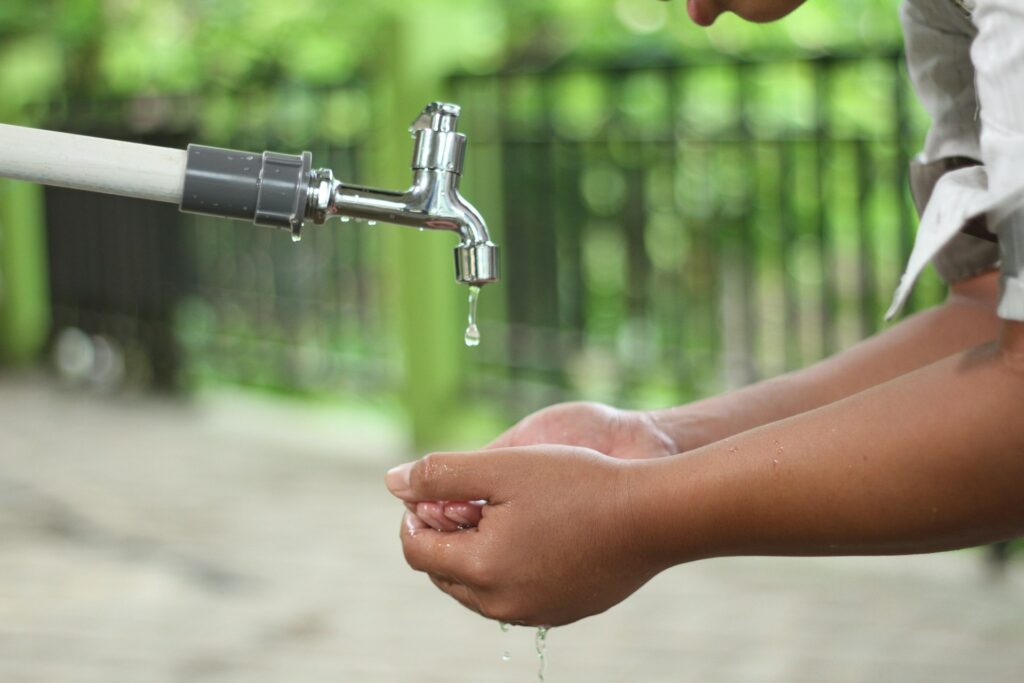
Global Water Crisis: Why the World Cannot Afford to Ignore It
Water is the foundation of life. Every ecosystem, economy, and community depends on it. Yet despite covering more than 70% of the Earth’s surface, accessible freshwater remains one of humanity’s most limited resources. Today, the world faces a growing water crisis that threatens public health, food security, economic development, and geopolitical stability.
The global water crisis is no longer a distant concern affecting only arid regions. It is a worldwide challenge impacting developed and developing nations alike. From prolonged droughts in Africa and North America to shrinking rivers in Asia and groundwater depletion across Europe, water scarcity is becoming one of the most critical issues of the 21st century.
According to recent WHO and UNICEF reports, approximately 2.1 billion people still lack access to safely managed drinking water services, highlighting the scale of the challenge facing humanity.
Understanding the Global Water Crisis
The global water crisis refers to the growing mismatch between freshwater availability and human demand. While water exists in abundance on Earth, only around 2.5% is freshwater, and much of that is trapped in glaciers, ice caps, or underground reservoirs.
As populations expand, industries grow, and climate change intensifies, pressure on freshwater resources continues to increase. Many regions are extracting groundwater faster than nature can replenish it, creating an unsustainable cycle that threatens future generations.
Water scarcity can be categorized into two major forms:
Physical Water Scarcity
Occurs when natural water resources are insufficient to meet demand.
Economic Water Scarcity
Occurs when water exists but infrastructure, governance, or investment limitations prevent access to safe water.
Both forms affect billions of people worldwide and often overlap in vulnerable communities.
Major Causes of the Global Water Crisis
1. Climate Change
Climate change is dramatically altering global water cycles.
Rising temperatures increase evaporation rates, intensify droughts, and disrupt rainfall patterns. Some regions experience severe water shortages, while others face devastating floods.
Scientists have observed increasing hydrological instability across the globe, creating unpredictable water availability and threatening agriculture, ecosystems, and human settlements.
2. Population Growth
The global population continues to rise, increasing demand for drinking water, sanitation, food production, and industrial use.
Every additional billion people requires vast quantities of freshwater for:
- Agriculture
- Energy production
- Manufacturing
- Household consumption
Without improved water management, growing demand will place unprecedented stress on already fragile systems.
3. Agricultural Overuse
Agriculture accounts for approximately 70% of global freshwater withdrawals.
Many farming systems rely on inefficient irrigation methods that waste enormous amounts of water. Water-intensive crops grown in drought-prone regions further accelerate depletion of rivers, lakes, and underground aquifers.
As global food demand rises, balancing agricultural productivity with water conservation becomes increasingly important.
4. Pollution
Freshwater resources are being contaminated at alarming rates.
Major sources include:
- Industrial waste
- Agricultural runoff
- Plastic pollution
- Untreated sewage
- Mining activities
Polluted water not only reduces available freshwater supplies but also contributes to disease outbreaks and ecosystem collapse.
5. Poor Infrastructure and Governance
In many countries, water losses occur because of:
- Aging pipelines
- Leakage
- Lack of treatment facilities
- Weak regulatory systems
Even regions with sufficient water resources often struggle to deliver clean water efficiently due to infrastructure challenges.
The Human Cost of Water Scarcity
Water scarcity affects nearly every aspect of human life.
Health Impacts
Unsafe water contributes to:
- Cholera
- Diarrheal diseases
- Typhoid
- Parasitic infections
Millions of preventable illnesses and deaths are linked to inadequate access to clean water and sanitation.
Education Challenges
In many communities, children—especially girls—spend hours collecting water daily. This reduces school attendance and educational opportunities.
Access to clean water often directly correlates with improved literacy rates and economic mobility.
Economic Consequences
Water shortages disrupt:
- Agriculture
- Manufacturing
- Energy production
- Tourism
The World Bank estimates that water-related challenges can significantly reduce economic growth in vulnerable regions.
Businesses increasingly recognize water security as a critical economic issue.
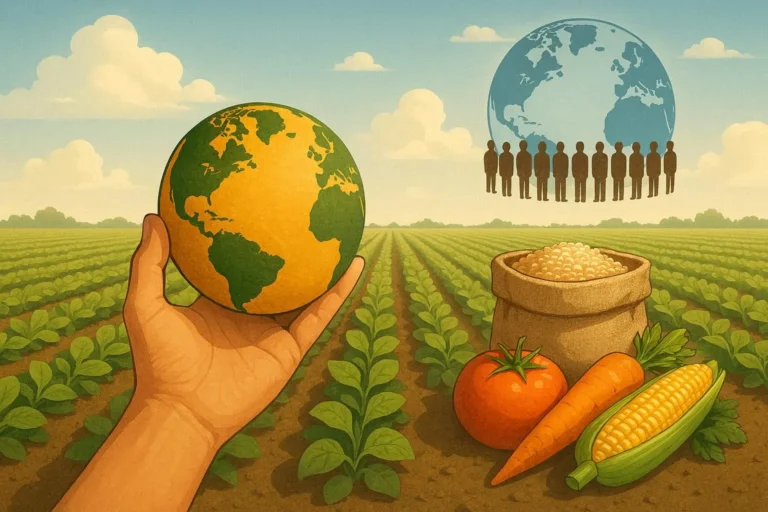
Water and Food Security: An Emerging Global Threat
The relationship between water and food is inseparable.
Without reliable water supplies:
- Crop yields decline
- Livestock production suffers
- Food prices increase
- Hunger expands
Several international assessments warn that water shortages could place a substantial portion of global food production at risk in coming decades if current trends continue.
As climate change intensifies, securing water for agriculture will become one of humanity’s greatest challenges.
Water Scarcity and Global Security
Many experts believe future geopolitical tensions may increasingly involve water resources.
Major rivers such as the Nile, Indus, Mekong, and Tigris-Euphrates cross national borders, making water management a complex diplomatic issue.
As freshwater becomes more valuable, nations must strengthen cooperation to avoid conflicts and ensure equitable access.
Water security is rapidly becoming a national security priority worldwide.
Innovative Solutions to the Global Water Crisis
Despite the challenges, there are reasons for optimism.
Technology, policy innovation, and international collaboration can significantly improve water security.
1. Smart Water Management
Modern technologies enable:
- Leak detection systems
- Real-time monitoring
- AI-powered demand forecasting
- Efficient distribution networks
Smart infrastructure can reduce water losses and improve efficiency.
2. Desalination
Desalination converts seawater into freshwater.
While traditionally expensive, technological advances continue to reduce costs and energy requirements.
For water-stressed coastal regions, desalination may play an increasingly important role in future water supplies.
3. Wastewater Recycling
Advanced treatment systems allow wastewater to be safely reused for:
- Agriculture
- Industry
- Urban applications
Countries such as Singapore and Israel have demonstrated how water recycling can dramatically improve resilience.
4. Sustainable Agriculture
Water-efficient farming methods include:
- Drip irrigation
- Precision agriculture
- Soil moisture monitoring
- Drought-resistant crops
These approaches can significantly reduce agricultural water consumption while maintaining productivity.
5. Ecosystem Restoration
Healthy ecosystems naturally regulate water cycles.
Protecting:
- Forests
- Wetlands
- Watersheds
- Rivers
helps maintain water quality, reduce flooding, and improve groundwater recharge.
Nature-based solutions often provide cost-effective long-term benefits.
What Individuals Can Do
Every person can contribute to water conservation.
Simple actions include:
- Fixing leaks promptly
- Installing water-efficient fixtures
- Reducing food waste
- Supporting sustainable products
- Conserving water at home and work
While individual efforts alone cannot solve the crisis, collective action creates meaningful impact.
The Future of Water
The future of civilization depends on how effectively humanity manages freshwater resources.
Recent assessments suggest that large portions of the global population already experience periods of severe water scarcity, and continued overuse could push many water systems beyond sustainable limits.
The choices made today will determine whether future generations inherit resilient water systems or face escalating shortages.
Water is not merely an environmental issue. It is an economic issue, a health issue, a food issue, a security issue, and ultimately a human issue.
Conclusion
The global water crisis represents one of the most urgent challenges facing humanity. Climate change, population growth, pollution, and unsustainable consumption patterns are placing extraordinary pressure on freshwater resources worldwide.
Yet the crisis is not inevitable.
Through innovation, sustainable management, international cooperation, and public awareness, the world can secure a future where safe and reliable water is available for all.
The question is no longer whether action is needed—it is whether humanity will act quickly enough.
References
- World Health Organization (WHO): https://www.who.int
- UNICEF Water, Sanitation and Hygiene (WASH): https://www.unicef.org/wash
- United Nations Water (UN-Water): https://www.unwater.org
- World Bank Water Resources Management: https://www.worldbank.org/en/topic/water
- UNESCO World Water Assessment Programme: https://www.unesco.org/water
- World Meteorological Organization (WMO): https://wmo.int